A referral for oral surgery rarely arrives out of nowhere. It usually follows a routine dental visit where an X-ray shows a wisdom tooth with no room to come through, a tooth that cannot be saved with a filling or crown, or a jaw problem that needs a specialist’s hands. For patients around North Wales, PA, the questions that follow are practical ones: who does this work nearby, what does the procedure involve, and what do the days afterward actually look like?
This page covers the procedures that fall under oral surgery, the practices and providers listed in and around North Wales, how consultations typically run, how to prepare for recovery, and how to settle insurance and Medicaid questions before you sit in the chair rather than after.
What Counts as Oral Surgery
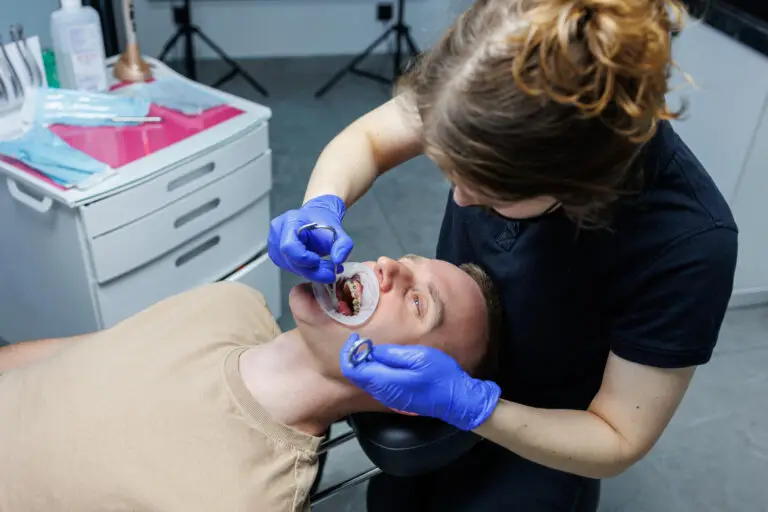
Oral surgery refers to procedures that treat conditions affecting the teeth, gums, jaw, and other structures of the mouth. The treatment can range from a routine tooth extraction to more complex procedures that require specialized surgical care.
Common examples of oral surgery include:
- Tooth extractions, including the removal of impacted or problematic wisdom teeth
- Dental implant placement, which involves placing an implant post into the jaw to replace a missing tooth root
- Bone grafting to restore or strengthen the jawbone before dental implant treatment
- Oral biopsies to examine unusual or concerning tissue changes
- Treatment of certain infections and abscesses that require surgical intervention
- Corrective jaw procedures to address problems with bite, alignment, or jaw function
Not every dental practice provides all types of oral surgery. If you have been referred for a specific procedure, ask the dental office whether the treatment is performed in-house or whether you will need to see an oral and maxillofacial surgeon. This can help you understand what to expect before scheduling your appointment.
Oral Surgery Practices in and Around North Wales, PA
Finding the right place for oral surgery starts with understanding what type of treatment you need. Some procedures can be performed by a general dentist, while others may require care from an oral and maxillofacial surgeon.
When looking for oral surgery in or around North Wales, consider:
- Type of procedure: Ask whether the practice provides the specific treatment you need, such as tooth extraction, dental implants, or treatment for an oral infection.
- Provider experience: Find out who will perform the procedure and whether additional specialist care is needed.
- Treatment setting: Some procedures can be completed in a dental office, while more complex cases may require a specialist or surgical facility.
- Anesthesia and sedation: Ask what options are available and which one may be appropriate for your procedure.
- Follow-up care: Understanding what happens after surgery can help you prepare for recovery and know when to contact the dental team.
Before scheduling, describe the procedure you have been referred for and ask whether the practice handles it in-house or refers patients to an oral and maxillofacial surgeon. This can help you find the appropriate care without relying solely on directory listings.
Finding an Oral and Maxillofacial Surgeon
Choosing an oral and maxillofacial surgeon involves more than finding a provider nearby. The right choice depends on the procedure you need, the surgeon’s experience, and the type of care available before and after treatment.
When comparing your options, consider these factors:
- Experience with your procedure: Ask how often the surgeon performs the specific type of oral surgery you need.
- Anesthesia and sedation: Find out which options are available and who will administer them during the procedure.
- Treatment location: Ask whether the procedure is performed in the dental office, a surgical center, or a hospital, depending on the complexity of your case.
- Insurance and payment: Confirm whether your dental or medical insurance is accepted and ask about your expected out-of-pocket expenses.
- Follow-up care: Make sure you understand what follow-up appointments and recovery support are included after surgery.
- Referral needs: If your case is more complex, ask whether the practice coordinates care with other dental or medical specialists.
A short consultation can help you understand whether the provider is equipped to handle your specific needs and what to expect throughout the treatment process.
How a Consultation Typically Works
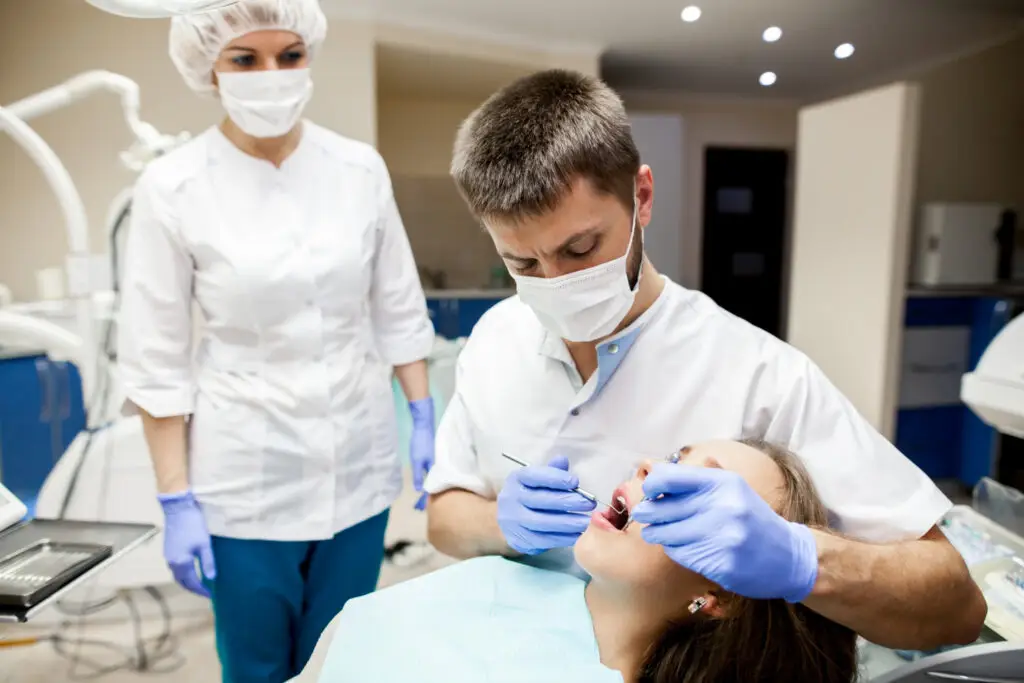
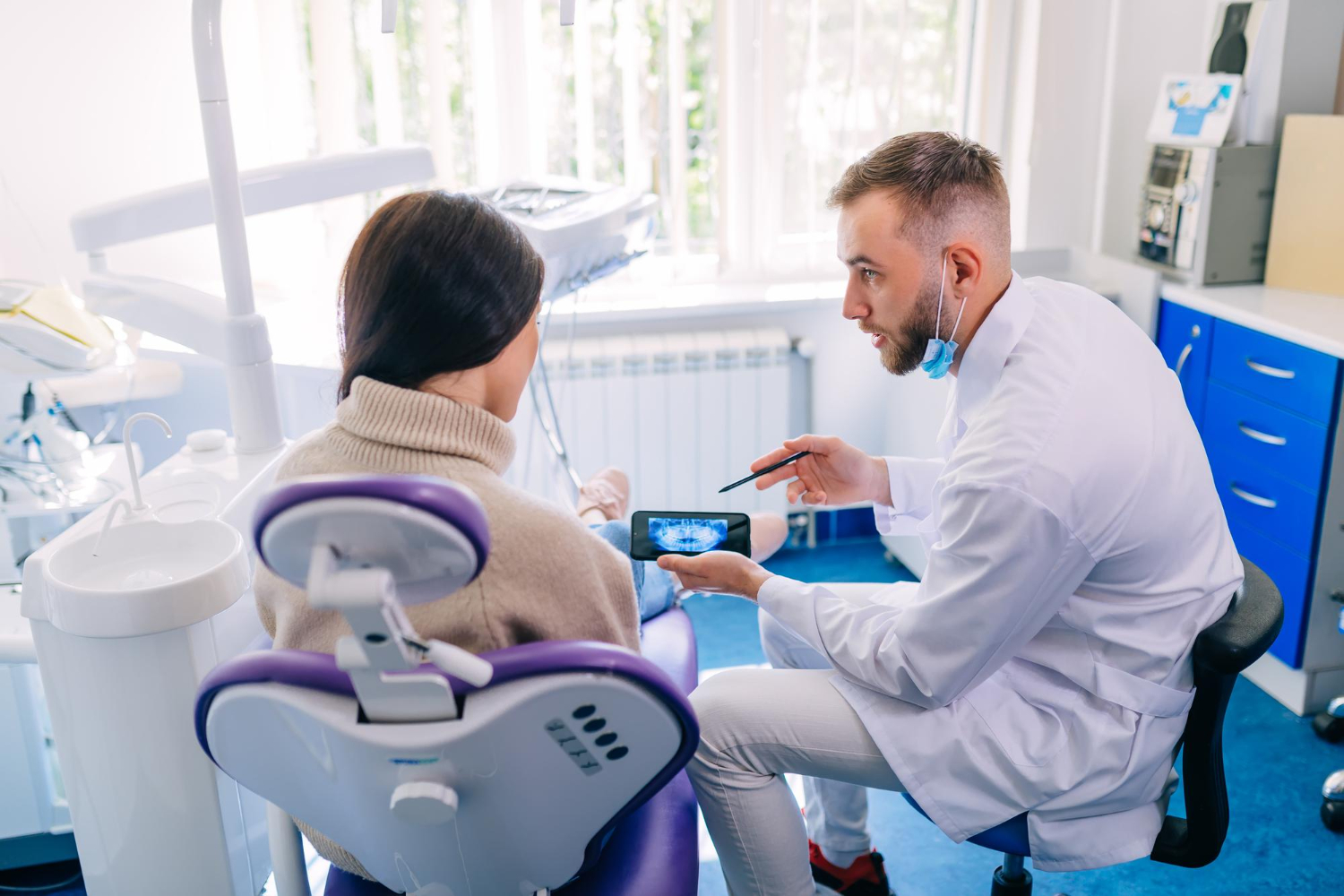
An oral surgery consultation gives the dental team an opportunity to understand your concerns, examine the affected area, and determine which treatment may be appropriate. The exact process can vary depending on the procedure and your dental needs.
During your visit, you may discuss:
- Your dental and medical history: Share any current medications, previous dental treatments, allergies, or health conditions that could affect your care.
- The area causing concern: Your dentist may examine the teeth, gums, jaw, or other areas related to your symptoms.
- Digital imaging: Pure Smile Dentistry uses digital X-rays as part of its dental technology, which can help with diagnosis and treatment planning.
- Treatment options: Your dentist can explain what they found and discuss the available treatment options based on your specific situation.
- Comfort during treatment: Pure Smile Dentistry emphasizes patient comfort and explains procedures in detail so patients understand what to expect.
- Aftercare instructions: If surgery or another procedure is recommended, ask about recovery, medications, eating restrictions, and follow-up care before leaving the office.
Bring a current list of your medications and any relevant dental records or referral information. It can also help to write down questions about the procedure, recovery, and expected follow-up so you can discuss them during your appointment.
Recovery: What to Plan For
Recovery after oral surgery depends on the procedure and your individual circumstances. Your dental team should provide specific instructions based on the treatment you receive, and those instructions should take priority over general advice.
Some practical steps can make recovery easier:
- Plan for rest: Give yourself time to recover after the procedure, particularly if the treatment is more involved.
- Follow eating instructions: Keep suitable soft foods available if your dentist recommends a softer diet after treatment. You can also review Pure Smile Dentistry’s guidance on soft foods after oral surgery and tooth extraction.
- Avoid smoking: Smoking can interfere with healing and increase the risk of complications after oral surgery. Pure Smile Dentistry specifically discusses the relationship between smoking, delayed healing, infection, and dry socket.
- Follow medication instructions: Take any prescribed or recommended medication according to your dental team’s instructions.
- Protect the surgical area: Avoid activities that could disturb the treatment site, and follow any instructions about rinsing, brushing, or physical activity.
- Attend follow-up appointments: Your dentist can check how the area is healing and address concerns if recovery is not progressing as expected.
Contact your dental office if you experience symptoms that concern you or if your recovery does not seem to be progressing normally. Difficulty breathing or swallowing, uncontrolled bleeding, or other severe symptoms require prompt medical attention.
Insurance and What to Confirm First
Understanding your dental coverage before treatment can help you plan for your care. Pure Smile Dentistry’s website displays several dental and health insurance brands, including Delta Dental, UnitedHealthcare, Aetna, Cigna, Humana, MetLife, Guardian, GEHA, United Concordia, and others.
Because coverage can vary by plan and procedure, it is important to confirm your individual benefits before treatment. When speaking with the dental office or your insurance provider, ask:
- Whether your specific insurance plan is accepted
- Whether the planned oral surgery is covered
- Whether the procedure requires prior authorization
- What portion of the treatment your plan may cover
- Whether you will have an estimated out-of-pocket responsibility
Insurance information can change, so confirm your coverage directly before scheduling treatment rather than relying only on a list of insurance providers.
Coordinating With Your Regular Dentist
Oral surgery may be part of a broader treatment plan, particularly when a procedure is followed by restorative or preventive dental care. Keeping your dental records and treatment recommendations organized can make it easier to plan the next stage of care.
Pure Smile Dentistry provides several services that may be relevant before or after oral surgery, including oral surgery, periodontal treatment, root canal treatment, dental implants, crowns and bridges, fillings, dentures, and other restorative and prosthodontic care.
For example, if a tooth needs to be removed, you may later need to discuss how the missing tooth will be addressed. Depending on your situation, options may include a dental implant, bridge, or denture. Pure Smile Dentistry lists dental implants, crowns and bridges, and dentures among its restorative and prosthodontic services.
The practice also uses digital X-rays and laser dentistry as part of its technology-focused approach to diagnosis and treatment.
Keeping your dental team informed about previous treatment, current symptoms, and planned procedures helps ensure that each stage of care is considered as part of your overall oral health rather than as an isolated treatment.
Questions to Ask Before You Schedule
- Is the procedure performed in the office or at a hospital or surgical center?
- What type of anesthesia will be used, and who will monitor me during it?
- What is the total estimated cost, and what portion should I expect to pay personally?
- How many days should I plan away from work, school, or heavy activity?
- Which medications should I stop before surgery, and how far in advance?
- What is the after hours phone number if a problem comes up at night?
- Who handles the follow up visit, your office or my regular dentist?
Frequently Asked Questions
Patients preparing for a surgical appointment tend to raise the same handful of concerns. These answers cover the most common ones, and the practice you choose can fill in the details specific to your case.
Do I need a referral to have oral surgery in North Wales?
A referral may not always be necessary, depending on the procedure and your dental needs. If you have already seen another dentist, bring any relevant dental records or imaging to your appointment. You can also contact the practice beforehand to ask whether a referral is required for your specific treatment.
How long does recovery take after oral surgery?
Recovery time depends on the procedure and your individual circumstances. Tooth extractions, wisdom teeth removal, dental implants, and other oral surgery procedures can each have different recovery requirements. Your dental team can explain what to expect and provide specific aftercare instructions for your treatment.
Does dental insurance cover oral surgery?
Coverage depends on your insurance plan and the specific procedure. Pure Smile Dentistry accepts several insurance plans and offers financing options for eligible patients. Before treatment, confirm your benefits with the practice and your insurance provider so you understand what may be covered and what you may need to pay.
Can my regular dentist remove a tooth instead of an oral surgeon?
Some tooth extractions can be performed by a general dentist, while more complex cases may require specialized surgical care. Pure Smile Dentistry lists tooth extractions and wisdom teeth extraction among its oral surgery services. During your consultation, the dental team can evaluate your tooth and explain which treatment approach is appropriate.