Anyone with sensitive teeth knows the hesitation that comes with whitening. A breeze of cold air or a sip of ice water can already trigger a twinge, so the idea of applying a bleaching agent feels risky. The reassuring truth is that professional teeth whitening is safe, and options exist specifically for people with delicate teeth. For those searching for teeth whitening for sensitive teeth in North Wales, a dentist can provide a solution that brightens the smile while keeping discomfort low.
The key is understanding why sensitivity happens, how to manage it, and which treatments are best suited to teeth that already react to temperature and touch. With the right preparation and the right whitening system, a brighter smile does not have to come with a painful trade-off.
Why Teeth Whitening Can Cause Temporary Sensitivity
Teeth whitening works by using a bleaching gel to break away surface stains from the enamel. This process is safe, and it causes no damage to the teeth. The natural structure of the tooth remains intact, which is why whitening is considered one of the simplest cosmetic dental treatments available. Instead of altering the tooth itself, the gel targets the discoloration that has built up on the surface over time.
That said, some patients experience temporary sensitivity during treatment. The bleaching action can make teeth more responsive to air, cold drinks, and certain foods for a short period. This is not a sign that anything has gone wrong, and it is not permanent. In most cases, the sensitivity resolves quickly and is easily managed by using sensitive toothpaste. Knowing that this reaction is temporary and treatable helps people with delicate teeth approach whitening with more confidence.
Understanding the difference between normal temporary sensitivity and a more serious problem is also important. If tooth pain is severe or lingers long after treatment, a dental professional should take a look. A dentist can determine whether the whitening needs to be paused or adjusted to protect the teeth.
Gentle Whitening Options for Sensitive Teeth
Not all whitening treatments are created equal, especially when sensitivity is a concern. Professional whitening treatments are designed to safely lift tooth stains and discoloration, but some systems are gentler than others. The right choice depends on your enamel, your current level of sensitivity, and the results you want to achieve. A dentist in North Wales can offer a variety of teeth whitening solutions and help you match the treatment to your needs.
Enlighten Take-Home Whitening
Enlighten has built a reputation for predictable results, long-lasting whiteness, and low sensitivity. This take-home whitening treatment is applied overnight, which allows the active ingredients to work gradually while you sleep. Because the process is spread out over time, it is often easier for sensitive teeth to tolerate. The low-sensitivity formula makes it a strong choice for patients who have struggled with discomfort during other whitening treatments in the past.
The overnight application also means there is no need to interrupt your daily routine. You wear the trays while resting, and the gentle formula gets to work. Many patients appreciate the combination of convenience and comfort that this system provides.
Professional In-Office Whitening
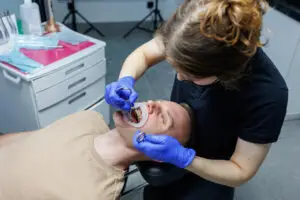
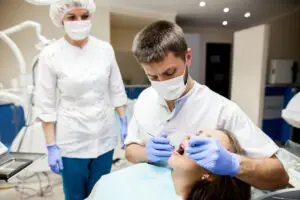
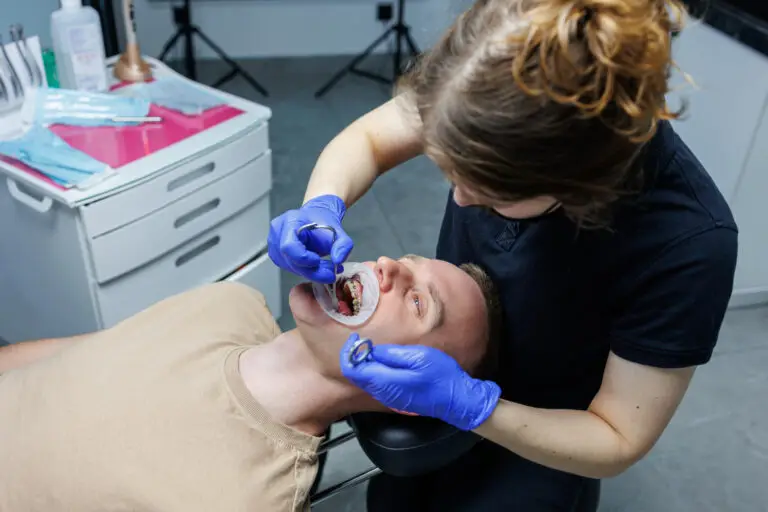
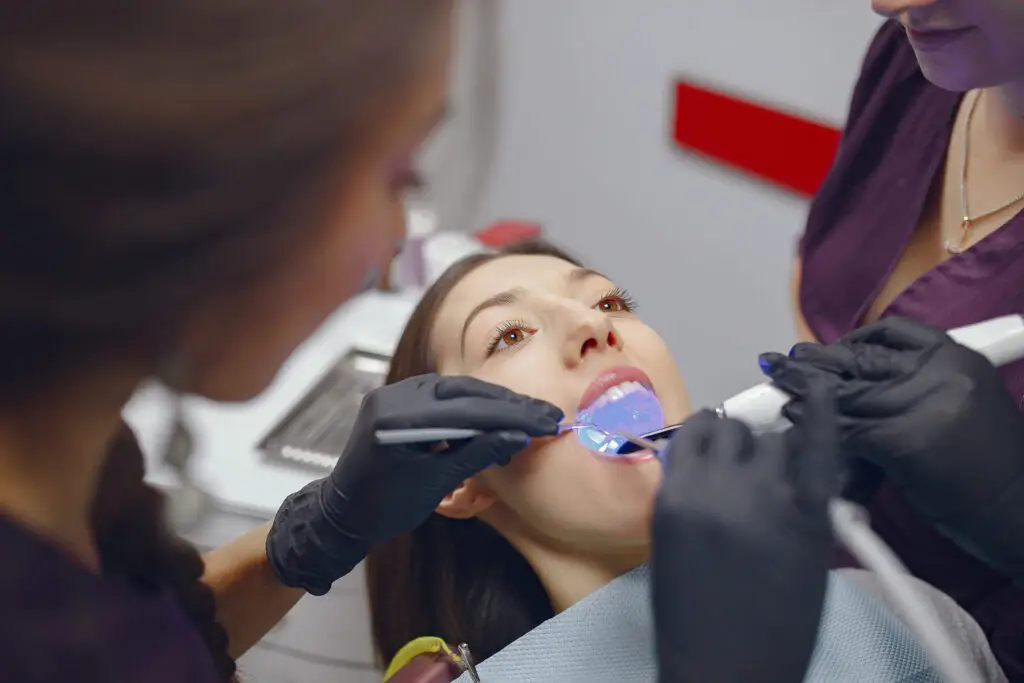
In-office whitening offers the speed of a single appointment. Some professional systems can brighten the smile by multiple shades in about an hour. These treatments are carried out under dental supervision, which means the dental team can monitor how your teeth respond and make adjustments as needed. For sensitive patients, the dentist can combine the treatment with desensitizing measures to keep the experience comfortable.
The main advantage of in-office whitening is control. The dentist manages the strength of the gel, the duration of each application, and the overall pace of the treatment. That level of supervision is especially valuable for anyone who has experienced sensitivity with over-the-counter products.
Custom Take-Home Trays
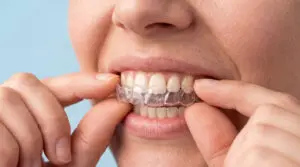
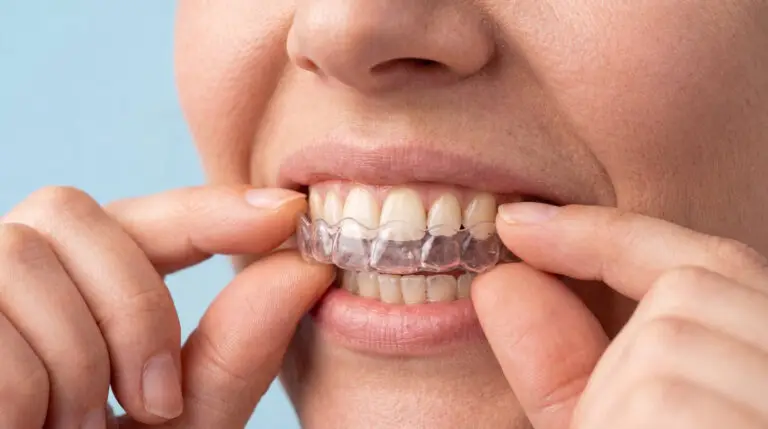
Many dental practices provide custom-fitted take-home trays for whitening. These trays keep the whitening gel in contact with the teeth in a controlled and even way. Since the patient controls the schedule, the whitening can be paced slowly, which reduces the chance of overwhelming sensitive teeth. This option works well for people who prefer to whiten gradually over a couple of weeks.
How to Prepare Sensitive Teeth for Whitening
Preparation matters more than most people realize. Using a toothpaste designed for sensitivity is one of the most effective ways to reduce discomfort during whitening. Start using it several days before treatment begins so the teeth have time to become less reactive. Continue using it throughout the whitening process and even after treatment ends. This habit helps avoid sensitivity to air, cold drinks, and food once you return to your normal routine.
- Begin using sensitivity toothpaste at least one week before your whitening treatment.
- Keep using it during the entire whitening period, not just on treatment days.
- Continue with sensitivity toothpaste after whitening to protect the teeth while they settle.
- Avoid very hot or very cold foods and drinks during the treatment window.
- Follow the dentist’s instructions for how long to wear trays and how often to apply the gel.
Sticking to these simple steps can make a significant difference in how your teeth respond. Sensitivity toothpaste works by blocking the pathways that lead to the nerves inside the teeth, which means fewer sharp reactions to temperature and pressure.
What to Expect From a Professional Whitening Treatment
During treatment, some patients notice a temporary increase in sensitivity. This passes quickly and is easily resolved with sensitive toothpaste. Results build over the treatment period, with many systems designed to produce a visibly whiter smile in a matter of days. Professional treatments are created to safely lift tooth stains and discoloration, and the outcome is usually predictable.
For those who worry about pain, the phrase low sensitivity matters. Systems like Enlighten specifically target this concern, giving patients a way to whiten without the sharp twinges that can come from aggressive products. The result is a smile that looks brighter and cleaner, without the dread of every cold sip or chilly morning.
It is also worth remembering that whitening results are not permanent. The length of time a bright smile lasts depends on habits, diet, and the specific system used. Enlighten, for example, is known for long-lasting whiteness, which means fewer touch-ups over time. Maintaining good oral hygiene and keeping up with regular dental checkups can help the results stay visible for longer.
Finding Gentle Whitening Care in North Wales
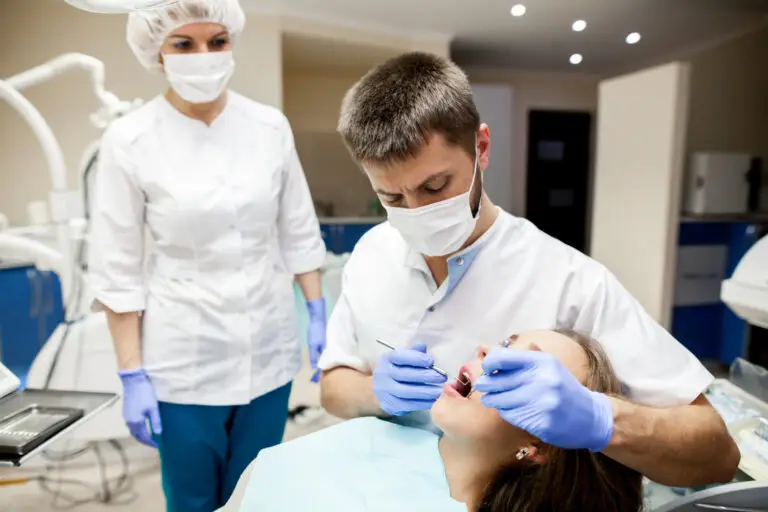
A dentist in North Wales can offer a variety of teeth whitening solutions and help you choose the one that fits your sensitivity level. Not every smile responds the same way, which is why professional guidance is valuable. A dental team that focuses on gentle techniques and uses advanced equipment can make the entire experience more comfortable. This approach matters for every patient, but especially for those with sensitive teeth.
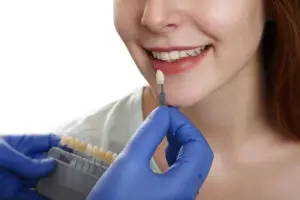
During a consultation, the dentist can evaluate your teeth, ask about your history of sensitivity, and recommend a whitening system designed for your needs. Whether you choose a take-home system like Enlighten or a professional in-office session, the goal is the same: a brighter smile with as little discomfort as possible.
Professional supervision also provides peace of mind. Instead of guessing which product to buy at a store, you receive a treatment plan built around your oral health. That personalized attention is one of the main reasons people with sensitive teeth find success with professional whitening.
Frequently Asked Questions
Can you get teeth whitened if you have sensitive teeth?
Yes. Professional whitening is safe for sensitive teeth when the right approach is used. Many whitening systems are designed with lower sensitivity in mind, and a dentist can adjust the treatment to your comfort level. Using sensitivity toothpaste before, during, and after treatment is one of the most effective ways to keep discomfort minimal and protect against reactions to air, cold drinks, and food.
What is the best teeth whitening for very sensitive teeth?
Enlighten is one option that is specifically known for predictable results, long-lasting whiteness, and low sensitivity. It is a take-home treatment applied overnight, which allows the whitening process to happen gradually. Gradual whitening is often better tolerated by very sensitive teeth, and the low-sensitivity formula reduces the risk of sharp discomfort.
What should I do if my teeth are extremely sensitive after whitening?
Switch to a toothpaste designed for sensitivity and use it consistently. Temporary sensitivity during or after whitening is common and is usually resolved by using sensitive toothpaste. If the sensitivity continues or becomes severe, contact your dental office for guidance. A professional can examine your teeth and determine whether the whitening needs to be paused or adjusted.
Is there teeth whitening that doesn’t hurt your teeth?
Professional teeth whitening is designed to lighten tooth discoloration without intentionally altering the natural structure of the teeth. However, some patients may experience temporary sensitivity during or after treatment.
Conclusion
Teeth whitening can be a good option for people with sensitive teeth when the treatment is chosen carefully and used appropriately. Professional options such as in-office whitening, custom take-home trays, and gradual whitening systems can help patients achieve a brighter smile while keeping sensitivity in mind. If you are considering teeth whitening for sensitive teeth in North Wales, professional guidance can help you choose the right approach. Pure Smile Dentistry offers professional whitening options tailored to individual needs. Contact Pure Smile Dentistry today to explore your whitening options.