A dental crown is a restoration that completely caps or encircles a tooth, giving it new strength and a natural appearance. Crowns and bridges are treatments that provide strength and support to damaged or missing teeth, helping you feel confident in your appearance. If you have recently received a crown from a North Wales dentist, or you are thinking about getting one, the way you care for it matters.
Good daily habits keep the crown clean, protect the tooth tissue around it, and help the restoration stay stable for as long as possible. The effort you put in at home makes a real difference in how your crown feels over time.
Why Crown Care Starts With Your Daily Routine
The tooth underneath a crown is still alive and still needs attention. Plaque and food particles can collect along the edge of the crown, especially where it meets the gum line. If that area is not cleaned well, the supporting tooth can develop problems that threaten the health of the crown itself. That is why brushing and flossing matter for everyone with a crown, not just for people with natural teeth.
Your dentist in North Wales can show you exactly where the crown edges are and how to reach them with your brush and floss. Ask for a quick demonstration at your next visit. A few small adjustments to your technique can make a noticeable difference in how clean the area stays.

Brushing and Flossing Around a Crown
Brush your teeth twice a day using a soft brush and gentle pressure. There is no need to scrub the crown aggressively. A firm hand is not required to remove plaque, and being rough around the gum line can irritate the area that supports the crown.
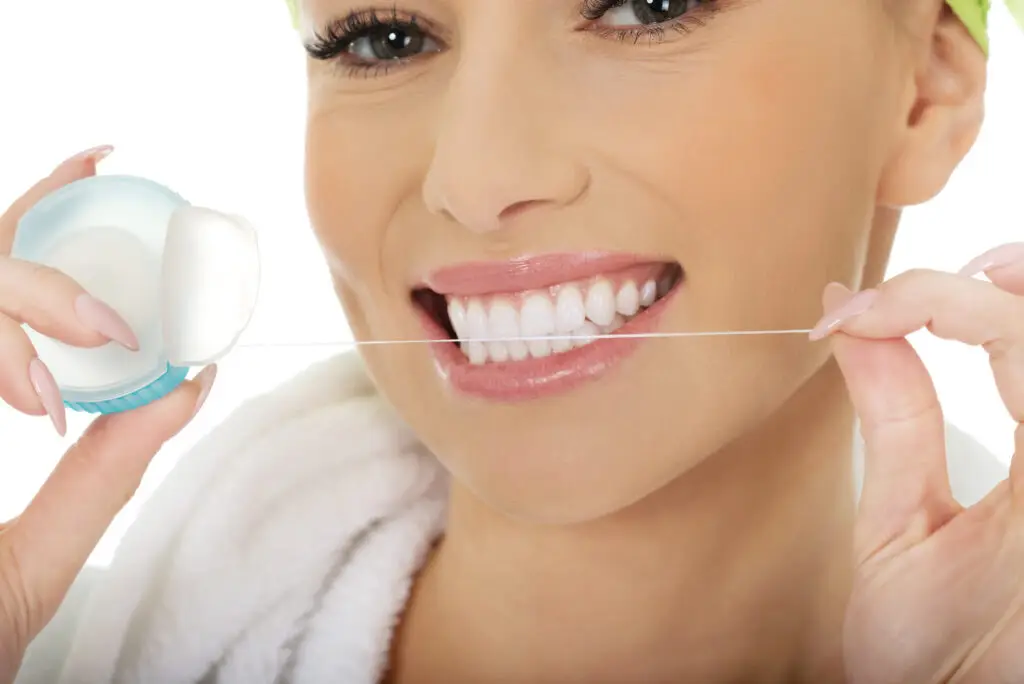
Flossing around a crown takes a little more patience. Slide the floss gently between the teeth, and when you reach the base of the crown, curve the floss around the tooth edge rather than snapping it straight up. That motion helps clean the margin where the crown meets the natural tooth. If standard floss is hard to manage, a floss threader or interdental brush can reach those spots more easily.
Mouthwash can be a helpful addition to your routine, but it does not replace brushing and flossing. It simply adds an extra layer of freshness and helps rinse away debris that might remain after cleaning.
Foods and Habits to Watch
Crowns are designed to handle normal chewing, but they are not indestructible. Very hard foods such as ice, hard candies, and popcorn kernels can place sudden stress on a crown. Sticky foods such as caramel and chewy candy can pull at the crown while you eat. That does not mean you need to give up these foods entirely, but it is wise to enjoy them with care and in small pieces.
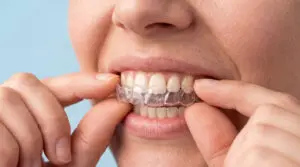
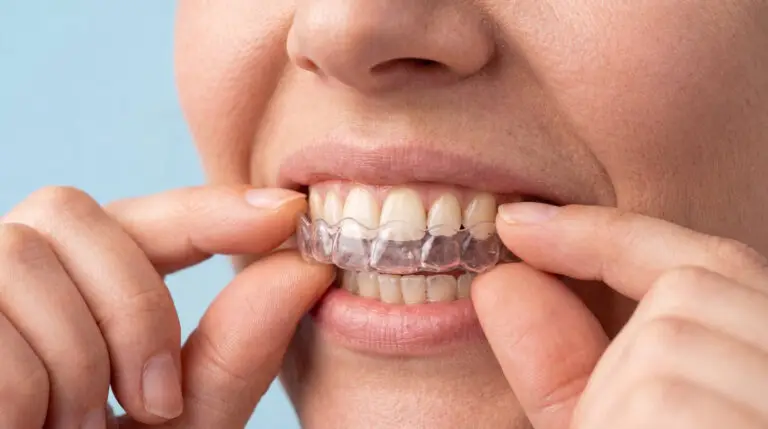
If you grind or clench your teeth, especially while you sleep, your crown will face extra wear over time. Many patients do not realize they grind until a dentist points out the signs. If grinding is an issue for you, talk to your North Wales dentist about a night guard. Protecting your crown while you sleep is one of the most effective things you can do for its long-term survival.
Signs That Your Crown Needs Attention
Most crowns settle in comfortably and feel like a natural part of your smile. Sometimes, however, a problem appears. Pay attention to these signals:
- Sensitivity to hot or cold that appears suddenly or lingers after the trigger is gone.
- Discomfort when you bite down or chew.
- A feeling that the crown is loose, shifting, or no longer fits as it did before.
- A rough edge on the crown that catches your tongue or floss.
- Pain or swelling in the gum tissue around the crowned tooth.
If any of these signs show up, do not wait for the discomfort to pass on its own. Contact your dentist for an evaluation. Small issues are easier to address when they are caught early, and a quick adjustment can often prevent a more involved repair later.
Why Regular Dental Visits Matter for Crown Longevity
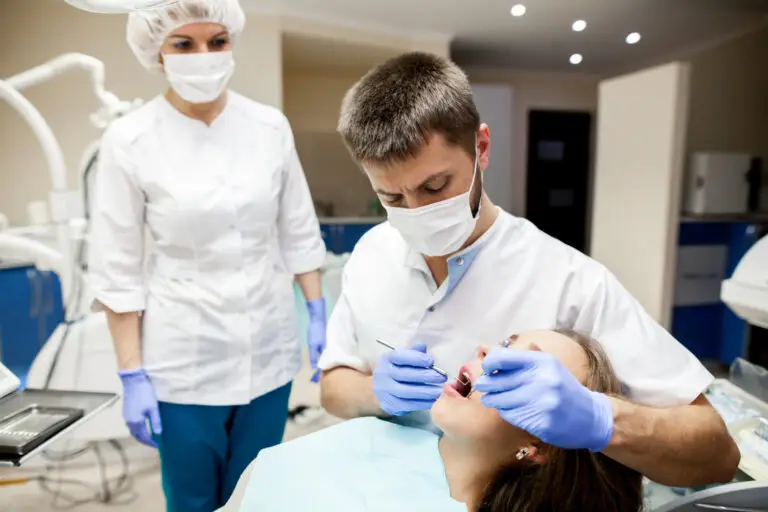
Professional cleanings and exams are an important part of crown care. During a checkup, your dentist can examine the crown, check its fit, and look for early signs of wear or leakage. A hygienist can also clean areas around the crown that are difficult to reach at home.
Many dental practices in North Wales offer the full range of general, family, cosmetic, restorative, and emergency dentistry. That means the same team that placed your crown can continue to monitor it during routine visits. Some practices are accepting new patients and can help with dental emergencies if a crown problem comes up unexpectedly.
If you have dental insurance, coverage varies from plan to plan, and it is always worth confirming the details with your provider. Many practices note that popular insurance plans cover many of the services they offer, and the office staff can help you understand your benefits before treatment begins.

Choosing the Right Dentist for Crown Care in North Wales
Good crown care begins with good craftsmanship. A well-fitted crown that looks natural and feels comfortable is easier to maintain than one that does not fit properly. When you look for a dentist in North Wales, ask about their experience with crowns and bridges and whether they are currently accepting new patients.
Crowns and bridges give strength and support to damaged or missing teeth, and they help you feel confident in your appearance. Restoring a single tooth after a root canal or replacing one or more missing teeth with a bridge both call for a restoration that looks natural and functions well in daily life. Local practices in North Wales that list crowns and bridges among their services can evaluate your situation and explain what to expect.
If you have already received a crown, keep your follow-up visits on schedule and do not hesitate to ask questions during your appointment. Your dentist can tell you whether the crown is holding up well and what you can do at home to keep it in top shape.
Conclusion
A dental crown helps protect and restore a damaged tooth, but its longevity depends on good oral care and regular dental visits. Brushing, flossing, and avoiding hard foods can keep your crown in great condition.
If your crown feels loose, sensitive, or uncomfortable, don’t ignore it—get it checked early. For expert care and guidance, Pure Smile Dentistry is here to help you maintain a healthy, confident smile.
Frequently Asked Questions
How long can I expect my dental crown to last?
The lifespan of a crown depends on your daily habits, the condition of the tooth and gums around it, and whether you grind your teeth. A crown cared for with regular brushing, flossing, and dental visits can serve you well for many years. Your North Wales dentist can give you a more personalized estimate during a checkup.
Is it normal for a crown to feel sensitive?
Some mild sensitivity can occur right after a crown is placed, especially to temperature changes. If sensitivity lingers, gets worse, or appears months later, it deserves attention. Sensitivity can point to the fit of the crown, the health of the tooth underneath, or changes in the gum tissue. An evaluation at your dental office will help identify the cause.
Can a crown come loose?
A crown can loosen if the cement holding it weakens or if the tooth underneath changes shape. Sticky foods, grinding, or an injury can also affect the fit. If you feel the crown move when you bite, stop chewing on that side and contact your dentist. Leaving a loose crown untreated can allow damage to the underlying tooth.
Do I still need to floss around a crowned tooth?
Yes. Flossing around a crowned tooth is essential because the area where the crown meets the natural tooth is a common collecting point for plaque. If plaque builds up there, it can irritate the gums and affect the tooth structure supporting the crown. Floss gently each day and pay special attention to that margin.
Will insurance help cover my crown?
Coverage depends on your specific plan, and most offices will confirm your benefits before treatment begins. Many dental practices note that popular insurance plans cover many of their services, and crowns are often treated as a restorative procedure. Contact your dental office or your insurance provider to learn what your plan includes.