
Restoring a damaged or weakened tooth often involves a dental crown. This custom fitted cap covers the entire visible portion of the tooth, providing strength, protection, and a natural appearance. For residents of North Wales, Pennsylvania, several local dental practices offer crown services with varying features, pricing, and patient experiences. Understanding the basics of crowns, what local providers offer, and how to make an informed choice can help you achieve lasting results.
What Are Dental Crowns?
A dental crown is a tooth shaped cover that is permanently cemented onto an existing tooth or dental implant. Crowns are used to restore teeth that are severely decayed, cracked, worn down, or weakened after a root canal. They also improve the appearance of misshapen or discolored teeth. Crowns can be made from several materials, including porcelain, ceramic, metal, or a combination, and the choice depends on the location of the tooth, aesthetic goals, and your dentist’s recommendation.
Why Might You Need a Dental Crown?
A dental crown may be recommended when a tooth is too damaged to be restored with a filling alone. It helps protect and strengthen the tooth while restoring its natural shape, function, and appearance. A crown may be used if a tooth is cracked, broken, or severely worn. It is also commonly recommended after root canal treatment, to support a tooth with a large filling, restore a dental implant, or improve the appearance of a discolored or misshapen tooth. Your dentist will evaluate your oral health and recommend a dental crown if it is the most appropriate treatment for your needs.

Types of Dental Crowns
Dental crowns are available in different materials, each offering unique benefits. The right choice depends on the location of the tooth, durability needs, and the appearance you want to achieve. Common types of dental crowns include:
- Metal Crowns: Strong and durable, ideal for back teeth.
- Porcelain-Fused-to-Metal (PFM) Crowns: Combine the strength of metal with a natural-looking porcelain exterior.
- Porcelain Crowns: Blend well with natural teeth and are a popular choice for front teeth.
- Zirconia Crowns: Highly durable, metal-free, and designed to provide both strength and a natural appearance.
Your dentist will recommend the most suitable crown material based on your oral health, bite, and smile goals.
Dental Crown Procedure
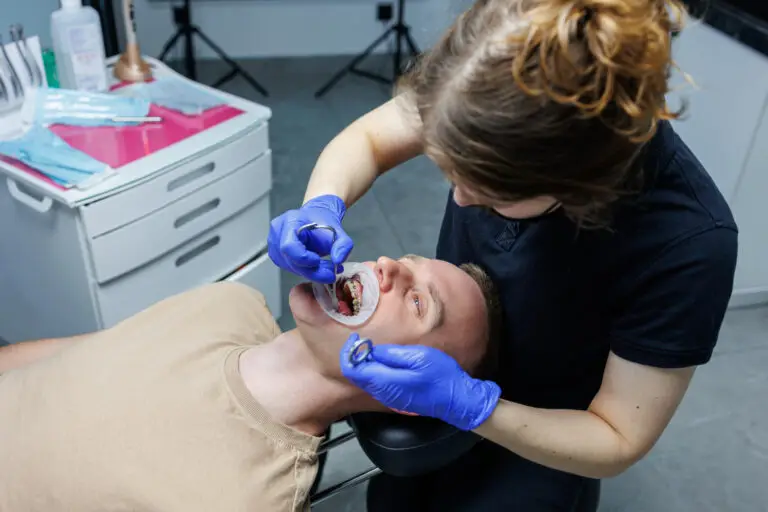
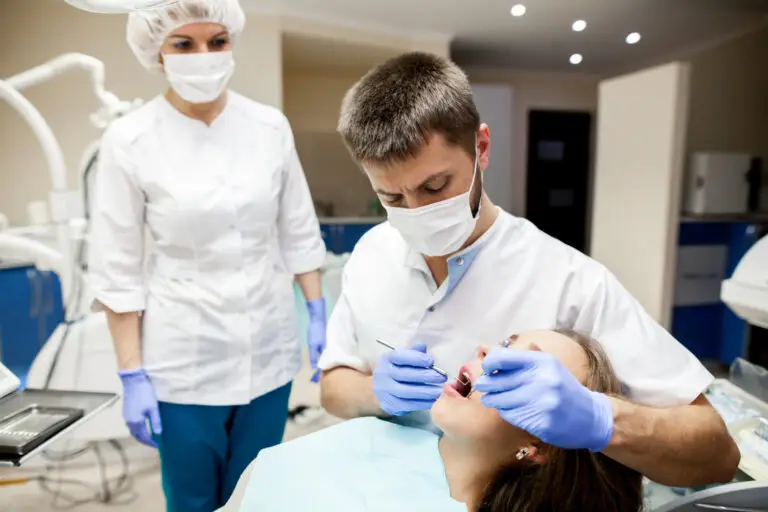
Getting a dental crown typically requires two visits. During the first appointment, your dentist examines and prepares the tooth by removing a small amount of enamel to create space for the crown. Digital or traditional impressions are then taken to ensure a precise fit, and a temporary crown is placed to protect the tooth. At the second visit, the temporary crown is removed, and the custom-made permanent crown is carefully fitted, adjusted, and securely bonded into place, restoring the tooth’s strength, function, and natural appearance.
Benefits of Dental Crowns
Dental crowns help restore the strength, function, and appearance of damaged teeth while protecting them from further wear. Some of the key benefits include:
- Restores the strength and function of damaged teeth
- Protects cracked or weakened teeth from further damage
- Improves the appearance of stained or misshapen teeth
- Restores comfortable chewing and biting
- Provides a natural-looking smile with porcelain or zirconia crowns
- Offers long-lasting results with proper care and regular dental checkups
How Long Do Dental Crowns Last?
Dental crowns typically last 10 to 15 years, and with proper care, many can last even longer. Their lifespan depends on factors such as the crown material, your oral hygiene routine, daily wear, and habits like teeth grinding or chewing hard objects. Brushing twice a day, flossing regularly, and attending routine dental checkups can help keep your crown in excellent condition. Your dentist can provide a more personalized estimate based on your oral health and treatment needs.
Why Choose Pure Smile Dentistry for Dental Crowns in North Wales, PA?
Choosing the right dental team is an important step toward restoring your smile. Pure Smile Dentistry provides personalized dental crown treatment using modern technology and high-quality materials to deliver durable, natural-looking results. The team is committed to patient comfort and takes the time to create treatment plans tailored to each individual’s needs. Whether you need to repair a damaged tooth or improve your smile, you can expect compassionate care in a comfortable and welcoming environment.
Conclusion
A dental crown is a reliable solution for restoring the strength, function, and appearance of a damaged or weakened tooth. With the right treatment and proper care, a custom crown can provide long-lasting results and help protect your smile for years to come.
Pure Smile Dentistry offers personalized dental crown treatment in North Wales, PA, using modern techniques and high-quality materials. Schedule a consultation today to discuss your treatment options and find the best solution for your smile.
Frequently Asked Questions
How much do dental crowns cost in North Wales, PA?
The cost of a dental crown depends on factors such as the material used, the complexity of the procedure, and your dental insurance coverage. Your dentist can provide a personalized treatment plan and cost estimate during your consultation.
How long does the dental crown procedure take?
Getting a dental crown usually requires two appointments. During the first visit, your dentist prepares the tooth, takes impressions, and places a temporary crown. At the second visit, the permanent crown is fitted, adjusted, and securely bonded into place. Some dental practices may also offer same-day crowns.
Do dental crowns hurt?
The procedure is typically comfortable because local anesthesia is used to numb the treatment area. You may experience mild sensitivity for a few days after the procedure, but this usually improves quickly. If discomfort continues, contact your dentist for further evaluation.
How do I care for my dental crown?
Care for your dental crown just as you would your natural teeth by brushing twice a day, flossing daily, and visiting your dentist for regular checkups. Avoid chewing hard objects and discuss a night guard with your dentist if you grind your teeth while sleeping.