
Most childhood cavities do not begin on the smooth front surfaces of the teeth where a toothbrush glides easily. They begin in the narrow grooves on the chewing surfaces of the back teeth, where bristles cannot quite follow. Dental sealants are a preventive treatment built for exactly that problem. A sealant covers those grooves with a thin protective coating so food and bacteria have a harder time settling in. For families in North Wales, PA, sealants are one of the simplest steps available for lowering a child’s risk of decay.
What Dental Sealants Are and How They Work
A sealant is a thin coating that a dentist or hygienist applies directly onto the chewing surface of a back tooth. The material flows into the pits and grooves of the tooth and then hardens into a smooth shield. Because the coating bonds to the enamel, it closes off the deepest parts of the surface where a toothbrush cannot reach.
Sealants are preventive, not restorative. They are placed on teeth that are still healthy, with the goal of keeping them that way. Once a cavity has formed, a filling or another restorative treatment is needed instead. That timing matters. Sealants work best when they go on before decay has a chance to start.
Dental offices in and around North Wales, PA list sealants among their preventive services, and the topic usually comes up during routine check-ups. At Pure Smile Dentistry, sealants fit into the same preventive conversation as cleanings, fluoride, and home care habits. The treatment supports the goal of catching problems early or preventing them outright.
Why the Back Teeth Need Extra Help
Molars and premolars do more chewing than any other teeth, and their tops are not flat. They are full of narrow valleys and grooves. Even a child with solid brushing habits can leave those grooves partly uncleaned, and floss cannot help there because the grooves sit on top of the tooth rather than between teeth.
Dental practices serving Lansdale, North Wales, and nearby communities make this point directly: even with daily brushing and flossing, certain parts of the mouth, especially the back teeth, stay difficult to keep clean. A sealant addresses that gap. It smooths over the terrain where plaque and food particles collect, which lowers the chance that decay begins on the chewing surface.
Which Kids and Teens Benefit Most
Sealants are not reserved for one type of patient. Dentists commonly recommend them for:
- Children whose permanent back teeth have come in and are still cavity free
- Teens who are still building consistent brushing and flossing routines
- Kids with deep grooves in their molars that are hard to clean
- Patients who have already had cavities on the chewing surfaces of other teeth
- Children whose dentist identifies a higher risk of decay for any reason
Adults can receive sealants too. Practices in the region describe the treatment as suitable for kids, teens, and adults, which means it can be part of a long-term prevention plan well past childhood.
What Happens During a Sealant Appointment
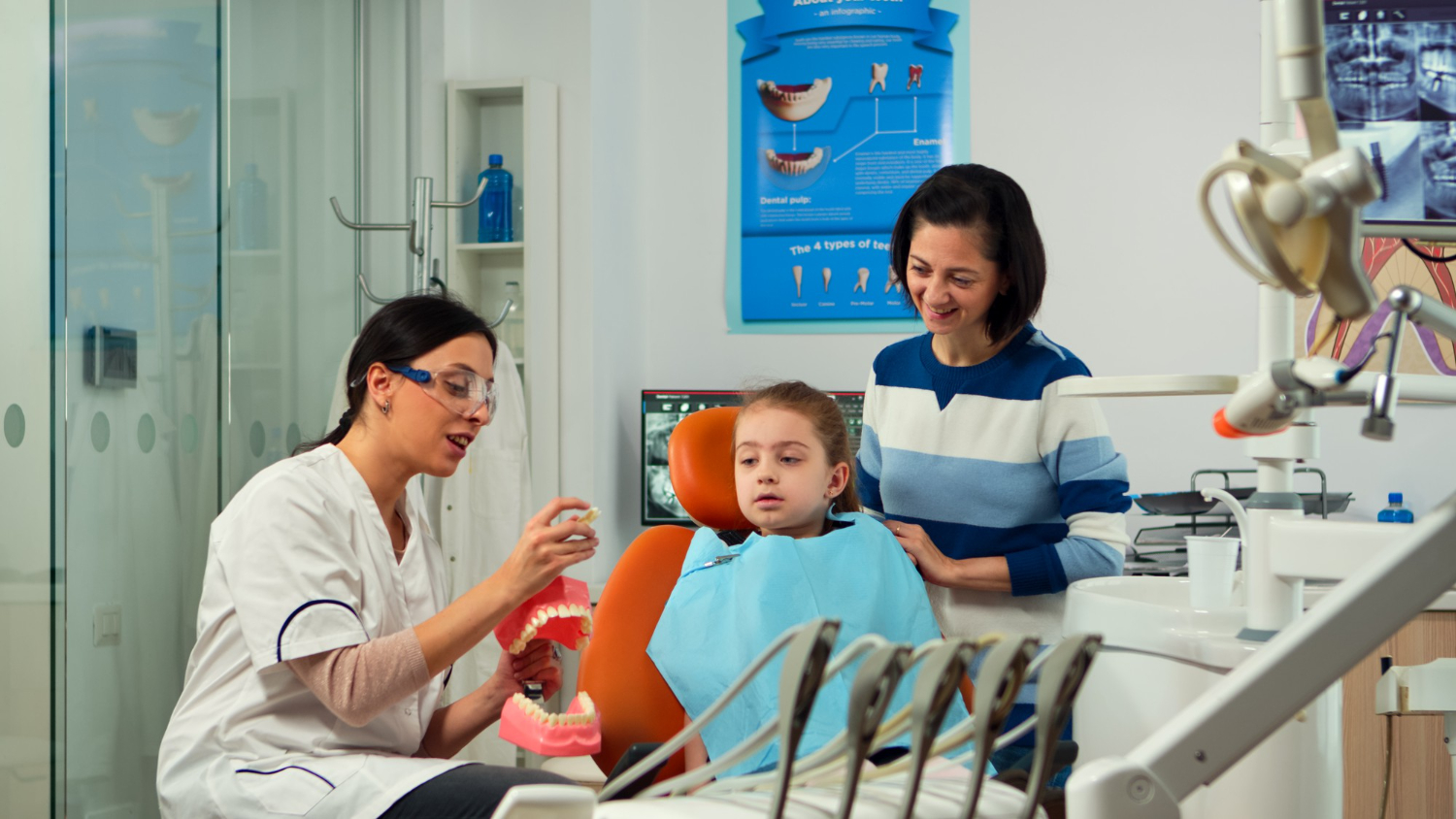
The visit is straightforward, and understanding the steps helps kids know what to expect before they sit in the chair.
Preparing the Tooth
The dentist or hygienist cleans and dries the tooth so the sealant material can bond properly to the enamel. Keeping the surface dry and free of debris is what allows the coating to stay in place.
Applying the Sealant
The material is painted into the grooves of the chewing surface and left to harden. Offices that offer sealants routinely describe the treatment as quick and painless, which is one reason it works well for younger patients who may be nervous about dental visits.
After the Appointment
There is no real recovery period. Kids go back to their normal day, and there are no restrictions that change how they eat or brush. The dentist typically checks the sealant at future visits to confirm it is still intact.
How Sealants Fit With the Rest of Preventive Care
Sealants are one layer of protection, not a replacement for everything else. Brushing twice a day, flossing, fluoride treatments, and regular cleanings all continue to matter. A sealant only covers the chewing surface of a treated tooth. The sides of the tooth, the spaces between teeth, and the gum line are still vulnerable, and those areas depend on daily habits and professional care.
This is why sealants tend to work best as part of a broader routine rather than a one-time fix. Families that keep up with check-ups give the dentist a chance to spot early changes, reapply a worn sealant, and adjust the prevention plan as a child grows.
Caring for Sealants Over Time
Sealants are described by dental offices as long lasting, but they are not permanent. Normal chewing can wear the coating down or chip a small section. When that happens, the protection is reduced in that spot rather than lost everywhere.
The practical response is a simple one: let the dentist evaluate the sealants at each routine visit. If part of the coating has worn away, the area can often be cleaned and resealed. Watching for changes at check-ups is far easier than trying to inspect the back teeth at home, where the grooves are hard to see even in a mirror.
Finding Sealant Care in North Wales, PA
Several dental offices in the North Wales area list sealants among their services, and nearby communities such as Lansdale and Harleysville have similar options. When comparing practices, it helps to ask a few direct questions about how sealants are handled.
- Are sealants part of routine pediatric and family care at this office?
- When does the dentist recommend sealants for a child?
- How are sealants checked and maintained at follow-up visits?
- What does the office charge, and does my dental plan cover preventive sealants?
Cost and coverage differ from one practice and plan to the next. Published figures vary widely by location and provider, and this article does not include price estimates for that reason. Confirm current fees and insurance details directly with the dental office you are considering.
Pure Smile Dentistry in North Wales, PA provides general, family, cosmetic, restorative, and emergency dentistry, so questions about sealants can be handled during an existing appointment or a scheduled preventive visit. If a child is due for a check-up, that is a natural time to ask whether sealants make sense for their back teeth.
Frequently Asked Questions
Do dentists still recommend sealants for children?
Yes. Dental offices in the North Wales area continue to list sealants as a preventive service for children and teens, and practices in nearby communities such as Lansdale take the same approach. Sealants are described as highly effective at preventing decay on the chewing surfaces of children’s teeth, which is why they remain part of routine prevention conversations.
Do sealants hurt to get?
Offices that provide sealants commonly describe the treatment as quick and painless. The tooth is cleaned and dried, the coating is applied to the grooves, and it hardens in place. No drilling is involved because the tooth is still healthy. Kids typically return to normal eating and brushing right after the appointment.
How long do sealants last?
Dental offices describe sealants as long lasting, but the coating can wear down or chip over time. Wear varies from patient to patient, so there is no single schedule that fits everyone. The reliable approach is to have the dentist check the sealants at each routine visit and reseal any area where the coating has been lost.
Are sealants only for children and teens?
No. Practices in the region describe sealants as a treatment for kids, teens, and adults. Children and teens are the most common candidates because their permanent back teeth are newer and still cavity free, but adults with deep grooves or a history of decay on chewing surfaces can also be good candidates.
Does dental insurance cover sealants?
Coverage depends on the plan and the patient’s age and risk factors. Some dental offices note that many of their services are covered by popular insurance plans, but preventive coverage varies. The most reliable step is to call your dental office and your insurance carrier before the appointment to confirm what is covered and what you would owe
Conclusion
Dental sealants can give children and teens an added layer of protection against cavities, especially on the deep grooves of back teeth. They work best alongside regular brushing, flossing, fluoride care, and dental check-ups. If your child has newly erupted permanent molars or may be at higher risk for cavities, talk with a dentist about whether sealants are appropriate. Schedule a preventive visit with Pure Smile Dentistry in North Wales, PA, to discuss your child’s dental health and sealant options.