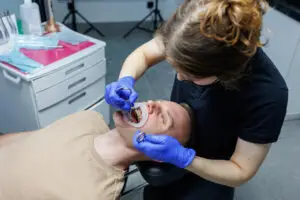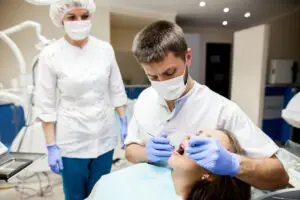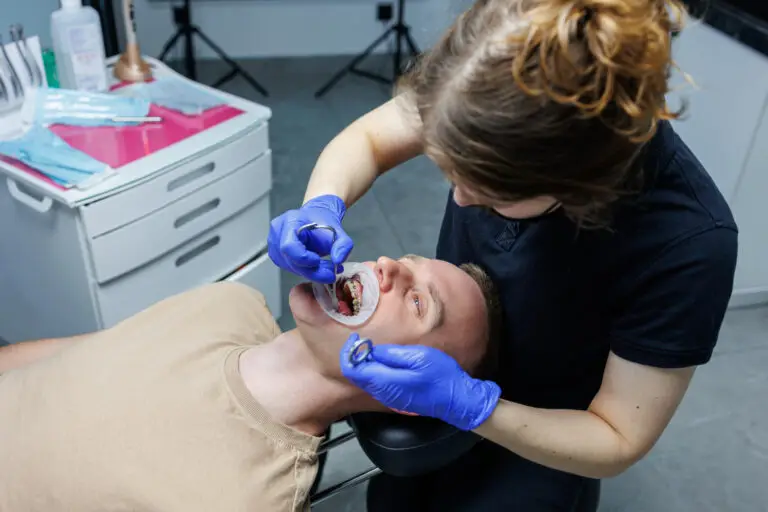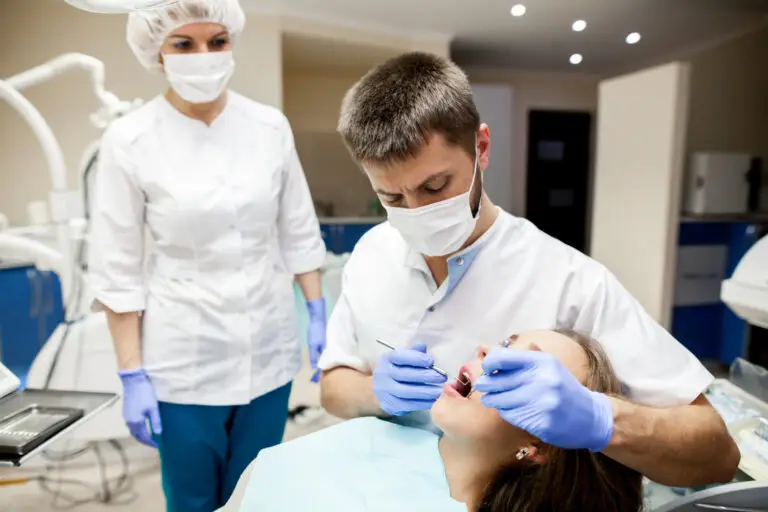

A dental cleaning is the appointment where a trained dental professional removes the buildup you cannot remove at home, then checks the health of your teeth and gums. It sounds simple, and in many ways it is. That single visit does a lot of quiet work: it catches small problems while they are still small, and it keeps your mouth in a state where brushing and flossing can actually do their job. For patients in North Wales, PA, a cleaning is usually the entry point into ongoing dental care.
What a Dental Cleaning Really Is
A cleaning is a preventive service. It focuses on removing plaque and tartar from tooth surfaces, especially along the gumline and in the tight spaces between teeth where a toothbrush struggles to reach. No amount of careful brushing at home gets everything, which is why the professional version exists as a separate step from daily hygiene.
Two terms show up on dental service menus that are easy to confuse. One is the routine cleaning most people get on a maintenance schedule. The other is a deeper cleaning, often listed as scaling and root planing, which is used when gum disease has already taken hold. Dental practices in and around North Wales, PA list both routine cleanings and scaling and root planing among their services, which tells you the two are not the same procedure and are not scheduled the same way.
What Happens During a Typical Cleaning Appointment
Every office runs its visit a little differently, but the general shape of a cleaning appointment is consistent. You can expect some version of these steps.
- A review of your health history and anything that has changed since your last visit
- A visual check of your teeth, gums, and soft tissues
- Removal of plaque and tartar above and just below the gumline
- Polishing to smooth the tooth surfaces
- Flossing and a rinse
- A conversation about what the clinician saw and what comes next
Some offices pair the cleaning with a dental exam, and a new patient visit often combines both. Others may recommend an additional preventive step, such as a fluoride treatment, based on your risk for decay. If X-rays are needed, they are usually taken as part of the exam portion rather than the cleaning itself.
Routine Cleaning vs. Scaling and Root Planing
The distinction matters because it changes what the visit involves and how it gets scheduled. Here is the short version.
| Feature | Routine Cleaning | Scaling and Root Planing |
|---|---|---|
| Purpose | Maintain healthy teeth and gums | Treat gum disease that has progressed |
| Where it focuses | Above the gumline and just at the gumline | Below the gumline, down along the tooth roots |
| Who it is for | Patients with healthy gums | Patients with deeper pockets and gum inflammation |
| How it is scheduled | Often a single visit as part of maintenance | May be divided into sections or spread across visits |
| Typical follow-up | Return on your maintenance schedule | A reassessment to see how the gums responded |
How do you know which one you need? You do not have to guess. The dentist or hygienist measures the space between your teeth and gums and looks at how much inflammation is present. Those findings determine whether a routine cleaning is enough or whether a deeper approach is needed first. Patients sometimes arrive expecting a standard cleaning and leave with a different plan, and that is a normal part of preventive care.
Cleanings for New Patients, Existing Patients, and Children
Dental offices commonly separate cleaning appointments by patient type. You will often see booking options such as new patient cleaning for adults, new patient cleaning for children, and matching options for existing patients. The split is not just administrative. A first visit takes longer because it includes a full exam, a health history, and often imaging, while a maintenance visit for a returning patient is more focused.
Children get cleanings too, and pediatric dentistry is one of the service areas local practices offer. A child’s cleaning covers the same basic goals as an adult’s, with more time spent on education and on making the visit comfortable. Bringing children in early helps them build a habit of care instead of unease about the dentist’s chair.
Why Preventive Care Matters More Than the Cleaning Itself
Think of a cleaning as a reset button. For a short window after your appointment, your teeth are as free of buildup as they get. What happens in the following weeks decides whether that reset was worth anything. Brushing twice a day, flossing daily, and limiting how often sugar sits on your teeth are the habits that keep the results of a cleaning from fading.
Preventive dentistry is exactly this combination of professional care and daily routine. Offices group routine exams and cleanings together for a reason: the exam finds problems, and the cleaning removes one of the main causes of those problems. Fillings, crowns, and other restorative treatments exist for when prevention is not enough, but prevention is the simpler path in almost every case.
Dental Cleanings in North Wales, PA
North Wales sits in Montgomery County, and the area has no shortage of dental offices. Practices here advertise a wide range of care, from routine exams and cleanings to fillings, implants, root canals, cosmetic work, and emergency dentistry. Pure Smile Dentistry serves patients in North Wales, PA with general, cosmetic, pediatric, restorative, and prosthodontic dentistry, along with Invisalign clear aligners.
That variety is good news for patients, but it also means details vary from office to office. Appointment availability, which cleaning options are offered, and how visits are structured all differ. If you are comparing dental cleaning options in North Wales, PA, ask the same three questions everywhere: what a first visit includes, how cleanings are scheduled for returning patients, and how the office handles insurance.

Insurance, Scheduling, and What to Ask Before You Book
Dental coverage is one of the most common sources of confusion around cleanings. Many practices state that they accept a range of insurance plans, but accepting a plan and covering a specific procedure at a specific percentage are two different things. Before your appointment, confirm two items: that the office participates with your plan, and what your plan says about preventive visits.
It also helps to ask these questions when you call.
- Is my first visit a new patient exam and cleaning combined?
- Do you need my previous dental records or X-rays sent over?
- Are there treatments you commonly recommend alongside a cleaning, such as fluoride?
- How far out are you booking cleaning appointments?
Getting those answers before you arrive keeps the visit focused on your teeth rather than on paperwork.
How to Get the Most Out of Your Cleaning
Small preparations make a difference. Bring a list of medications and any health conditions, and mention changes since your last visit, including new diagnoses or new prescriptions. Arrive with your insurance information. If you have felt nervous about dental visits in the past, say so at the start so the team can adjust the pace.
After the appointment, follow whatever home care instructions you were given, and put your next visit on the calendar before you leave the office. Patients who schedule the next cleaning on the way out are far more likely to actually show up for it than patients who plan to call later.
Frequently Asked Questions
How often should I get a dental cleaning?
There is no single schedule that fits everyone. Your dentist sets the interval based on your gum health, your history of decay, and your home care. Some patients do well with routine maintenance visits, while others need to come in more often until their gums stabilize. Ask your dental office what they recommend for you, and confirm what your plan covers for preventive visits.
Does a dental cleaning hurt?
Most people describe a routine cleaning as pressure and scraping rather than pain. Sensitivity is common if your gums are inflamed or if a lot of tartar has built up, and it usually fades once the cleaning ends. If you are uncomfortable, tell the clinician early. Offices can adjust their approach, and some offer numbing options for deeper cleanings.
What is the difference between a cleaning and a dental exam?
They are two parts of one visit. The cleaning removes plaque and tartar. The exam is the assessment, where the dentist checks your teeth, gums, and soft tissues and may order X-rays. New patient visits often combine both because there is more to review. Your office can tell you exactly how they structure a first appointment.
Do I really need a cleaning if my teeth feel fine?
Yes, and that is the whole point of preventive care. Early gum disease and small cavities often cause no noticeable symptoms, so feeling fine is not the same as being healthy. A cleaning plus an exam is how those quiet problems get caught before they turn into something that needs a filling, a root canal, or gum treatment.
Are cleanings different for children?
The goals are the same, but the visit looks a little different. Children’s appointments spend more time on teaching brushing and flossing, and the pace is adjusted to keep younger patients comfortable. Many practices book child cleanings as a separate appointment type from adult cleanings, and pediatric dentistry is a standard service at many North Wales area dental offices.
Keep Your Smile on Track With Regular Dental Cleanings
Regular dental cleanings are an important part of keeping your teeth and gums healthy. A professional cleaning removes plaque and tartar that daily brushing and flossing may miss, while routine exams help identify problems before they become more serious. Whether you need a routine cleaning, preventive care, or guidance based on your oral health, staying consistent with dental visits can make a difference. If you are due for a cleaning, schedule your next dental visit with Pure Smile Dentistry in North Wales, PA, and take the next step toward maintaining a healthy, confident smile.