
A smile makeover is less a single appointment than a sequence of decisions. Most patients arrive with one specific complaint: a color they dislike, a gap they have had since childhood, a chipped front tooth, or a crown that no longer matches the teeth beside it. The makeover is the plan that ties those fixes together so the finished result looks intentional instead of assembled. North Wales, PA sits in a part of Montgomery County where cosmetic, orthodontic, and restorative care is available close to home, which means most of that plan can often be handled in one place.
What follows is a practical look at what a smile makeover includes, which treatments solve which problems, and how to start the process without spending a season of appointments on the wrong first step.
What a Smile Makeover Actually Means
The phrase gets used loosely, so it helps to be precise. A smile makeover is a customized treatment plan that changes the appearance of the teeth, and sometimes the gums, using a combination of cosmetic and restorative procedures. It is not a fixed package that every patient buys in the same order.
The goals tend to repeat: improve the color of the teeth, close small gaps without orthodontics, refine the shape or symmetry of the smile, and create a more uniform, polished appearance. One person may reach that result with a single treatment. Another may need tooth movement first, then cosmetic work that finishes the front teeth once they sit in the right position. The plan is built around the individual face, bite, and budget in front of the dentist, not around a menu.
What a Makeover Can Change
Matching the complaint to the treatment is the first useful step. Most concerns fall into a small number of categories, and each one points toward a different part of the plan.
| What the patient notices | Treatments that commonly address it |
|---|---|
| Color that looks yellow, gray, or uneven | Veneers or crowns on the visible teeth, plus professional cleaning |
| A small gap between teeth | Veneers, or clear aligners that move the teeth instead |
| Chipped, worn, or unevenly shaped teeth | Veneers or crowns, depending on how much tooth remains |
| Crowding or teeth that overlap | Orthodontics, including clear aligners |
| One or more missing teeth | Implants and implant-supported restorations |
| A smile that looks mismatched or unfinished | A combination of the above, planned as one case |
The Treatments Most Often Used
Every makeover is assembled from a fairly small toolkit. Understanding what each tool does makes the consultation conversation much shorter.
Veneers for Color, Gaps, and Symmetry
Veneers are thin custom covers bonded to the front surface of the visible teeth. They are used to improve the color of the teeth, close small gaps without orthodontics, refine the shape or symmetry of the smile, and create a more uniform, polished appearance. Because they sit on the front of the tooth, they are usually reserved for teeth people can see when they smile, and they work best on teeth that are otherwise structurally solid.
Crowns When a Tooth Needs Rebuilding
A crown covers the whole tooth rather than just the front face. That difference matters. When a tooth is cracked, heavily filled, or worn down, covering it protects what is left while also changing how it looks. On a visible tooth, a well-matched crown can restore both function and appearance, which is why crowns and veneers sometimes appear in the same treatment plan for different teeth.
Clear Aligners and Orthodontics
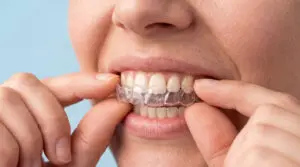
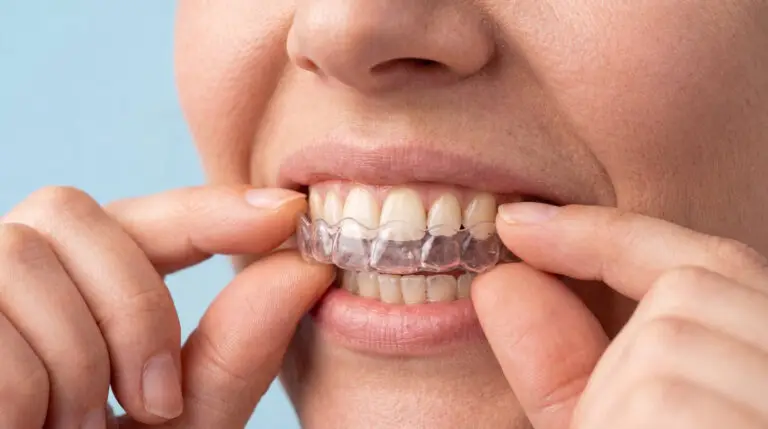
Straightening is often the foundation that everything else sits on. Clear aligners such as Invisalign are one option for moving teeth gradually, and practices in the area, including Pure Smile Dentistry in North Wales, offer aligner treatment alongside their other services. Dr. Grace Lee, a prosthodontist at Pure Smile Dentistry, provides care focused on restoring and improving the function and appearance of patients’ smiles. Sometimes alignment alone resolves the complaint, and cosmetic work becomes optional.
Implants and Replacement Teeth
When teeth are missing, the conversation shifts from appearance to function. An implant replaces the root of a missing tooth, and the restoration placed on top is designed to look, feel, and function much like a natural tooth. Some practices advertise accelerated implant protocols that shorten a traditional timeline, which can stretch beyond ten months. Ask any provider you consider what criteria they use and what timeline is realistic for your case.
Cleaning, Checkups, and the Health Layer
Cosmetic work built on an unhealthy foundation does not last. That is why a makeover usually starts with an examination, a professional cleaning, and treatment of any decay or gum problems found along the way. Patients who keep up with routine checkups afterward tend to protect the investment they just made, because small problems stay small when someone is watching for them.
Diagnostics Come Before Cosmetic Work
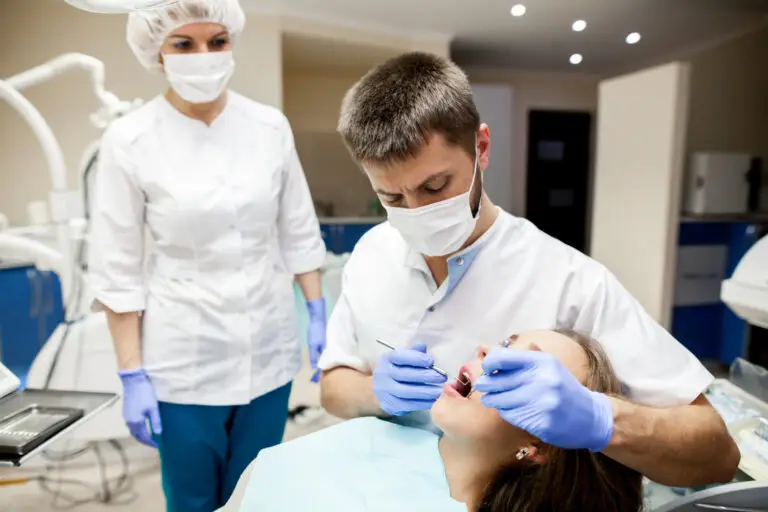
Good makeovers are planned on images, not on impressions from a quick look in the mirror. A dental office may take a CBCT scan, a digital scan or a regular impression, along with photographs of the teeth and bite. A CBCT scan gives a three-dimensional view that helps a dentist plan around roots, bone, and other structures that a flat X-ray cannot show clearly. Digital scans create a record that can be compared over time and used to design restorations. Skipping this step is one of the fastest ways to end up with restorations that look fine in isolation but do not match the rest of the smile.
How to Begin: A Step by Step Path
- Book a consultation and bring reference points. Photos of smiles you like, even rough ones, help a dentist understand what you actually want.
- Complete the examination and imaging. This is where the clinical picture replaces guesswork.
- Ask for the findings in plain language. What is healthy, what is failing, and what is purely a preference?
- Review the options together, including the option of doing nothing for now. Every treatment has trade-offs in cost, time, and how much natural tooth is affected.
- Settle on a sequence. Health issues usually come first, then alignment, then the cosmetic finish.
- Request a written, itemized estimate before anything is scheduled so there are no surprises halfway through.
- Plan around your calendar. Orthodontic treatment runs on its own schedule, and it helps to know that before a wedding, graduation, or work trip lands in the middle of it.

Questions Worth Asking at a Consultation
- Which treatment actually solves my main concern, and which ones are optional?
- What happens if I wait six months or a year?
- How many visits will this take, and how far apart?
- Who performs each part of the plan, a general dentist or a specialist?
- How long should the result last, and what maintenance does it need?
- What does it cost in writing, and what does my insurance plan cover?
- What happens if a restoration needs adjustment later?
Sequencing, Budget, and Timing
Most makeovers can be phased. A patient might start with a cleaning and any necessary restorations, move into aligner treatment if teeth need to shift, and finish with veneers or crowns on the front teeth once everything is in position. Phasing spreads the cost across a longer period and lets each stage be judged before the next one begins.
Coverage questions deserve a direct answer rather than an assumption. Insurance plans often treat work that restores function differently from work that is purely cosmetic, so ask the office to submit a pre-treatment estimate and explain what is covered before treatment starts. If the total is more than you want to pay at once, ask about payment options in writing. Prices vary by provider, materials, and how many teeth are involved, so any figure you find online for a different patient is not a quote for your case.
Choosing Where to Go in and Around North Wales
North Wales sits within easy reach of Lansdale, Abington, and the Philadelphia suburbs, so patients have real choices. Look for a practice that can handle both the health side and the cosmetic side of a makeover, or one that can coordinate care when a case calls for a specialist. Pure Smile Dentistry in North Wales, PA offers Invisalign clear aligners along with cosmetic, general, pediatric, restorative, and prosthodontic care, giving patients access to a broad range of treatments under one roof. Read reviews, ask about the dentist’s experience with the specific treatment you want, and choose a practice willing to explain the reasoning behind each recommendation.
Frequently Asked Questions
How long does a smile makeover take?
It depends entirely on which treatments are involved. A plan built around cleanings and a small number of restorations can move quickly, while anything involving orthodontics stretches across months because teeth move on their own schedule. Ask your dentist for a visit-by-visit timeline in writing so you can plan around work, travel, and family events rather than guessing.
Can I get a smile makeover if my teeth are not healthy?
Usually the health work comes first. Decay, gum disease, and cracked teeth need to be treated before cosmetic restorations are placed, because those restorations sit on whatever is underneath them. Once the foundation is stable, the cosmetic phase can proceed. Some patients find that fixing the health problems changes the smile enough that they want less cosmetic work than they originally planned.
Do I need braces or aligners before veneers?
Not always, but sometimes. If teeth are crowded or rotated, moving them first often means less tooth structure needs to be reduced for the restorations, and the final result looks more natural. Close small gaps can sometimes be closed with veneers alone without orthodontics. A dentist can tell you which route fits your bite after examining and imaging your teeth.
Is a smile makeover covered by dental insurance?
Coverage varies, and it usually depends on whether a procedure restores function or changes appearance. Work that rebuilds a damaged tooth is often treated differently from work that is purely cosmetic. Ask the office to submit a pre-treatment estimate to your plan and give you the answer in writing before you commit, so you know your share of the cost in advance.
Start Planning Your Smile Makeover
A smile makeover can bring several concerns together into one clear treatment plan, whether you need alignment, whitening, veneers, crowns, or restorative care. The right combination depends on your dental health, goals, and smile. If you are considering a smile makeover in North Wales, PA, Pure Smile Dentistry can help you explore your options and understand what fits your needs. Schedule a consultation today to discuss your smile goals, review suitable treatments, and take the first step toward a healthier, more confident smile.