
Tooth decay is one of the most common dental issues people face, especially children and teenagers. While brushing and flossing help remove food particles and plaque from smooth surfaces of teeth, they often miss the grooves and pits on the chewing surfaces of the back teeth. These hard-to-reach areas become a breeding ground for bacteria, leading to cavities. But there’s a simple, effective, and noninvasive solution: dental sealants.
In this blog, we’ll explore everything you need to know about dental sealants, how they work, and why they might be one of the smartest preventive dental treatments available today.
Key Takeaways
- Dental sealants protect molars from tooth decay
- Two main types: resin-based and glass ionomer
- Application is quick, painless, and noninvasive.
- Sealants can reduce cavities by up to 86% in the first year
- Ideal for children and adults at risk of decay
What Are Dental Sealants?

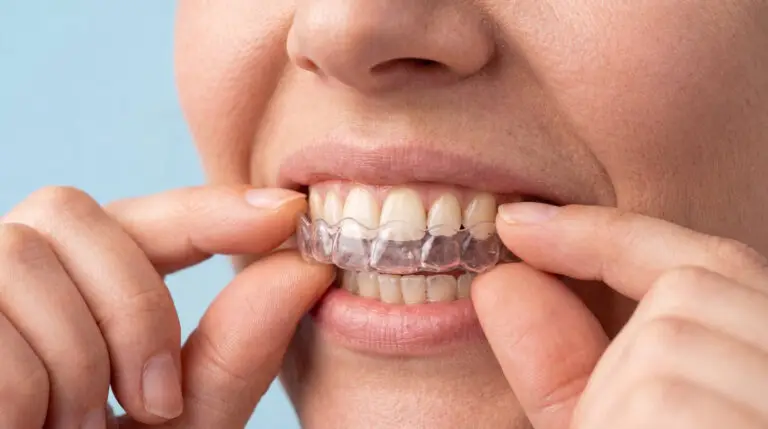
Dental sealants are a preventive dental treatment designed to protect teeth from decay. They are usually applied to the chewing surfaces of molars and premolars, where food particles and plaque tend to get trapped. Sealants act as a barrier, sealing off the pits and fissures of teeth to prevent bacteria from settling in and causing decay.
There are two main types of dental sealants:
Resin-Based Sealants: These are the most commonly used sealants. They are made from a durable, tooth-colored plastic material that bonds tightly to the enamel. Resin-based sealants are known for their strength and longevity. Once applied and cured with a special light, they form a tough layer that protects teeth from decay.
Glass Ionomer Sealants: Glass ionomer sealants are slightly less durable than resin-based ones but offer an added advantage: they release fluoride over time. This fluoride release helps strengthen the enamel and offers additional protection against decay. These are particularly useful when it is difficult to isolate the tooth completely during application.
The choice between the two depends on individual needs, age, and clinical conditions. Both types are effective in preventing cavities and can be discussed with your dentist during your visit.
How Sealants Are Applied
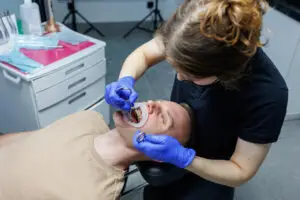
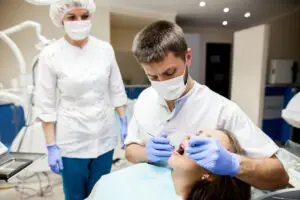
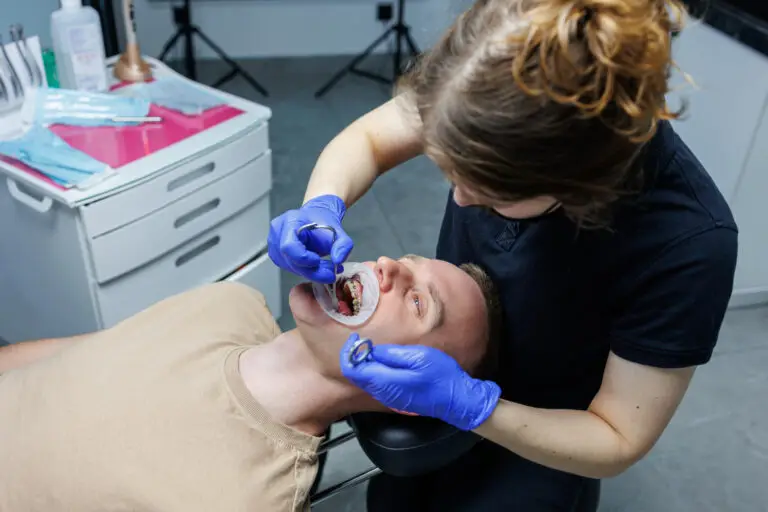
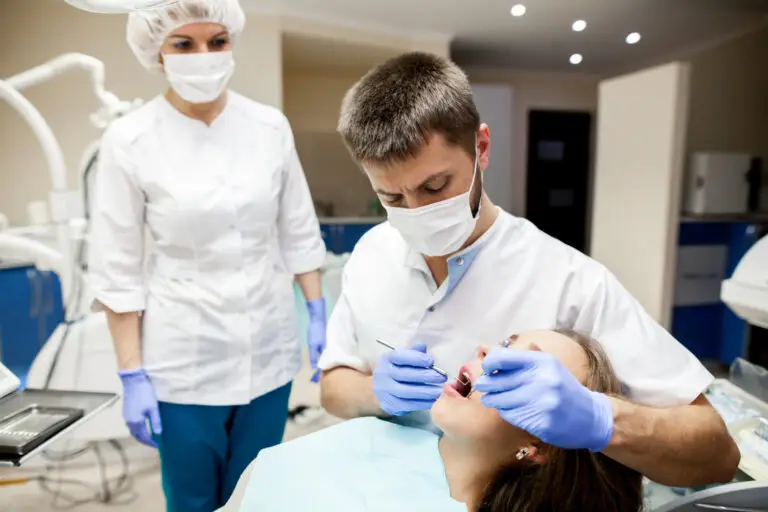
The process of applying dental sealants is simple and painless. It doesn’t require drilling or removing any part of the tooth, which makes it an ideal option for patients who may be anxious about dental treatments.
Here is how the process works:
- Cleaning the Tooth Surface: The tooth is cleaned thoroughly to remove any plaque or food debris.
- Drying the Tooth: The tooth is dried, and cotton or other absorbent material is placed to keep it dry.
- Etching the Tooth: A mild acidic solution is applied to roughen the surface slightly, which helps the sealant bond better.
- Rinsing and Drying Again: The acid is rinsed off, and the tooth is dried again.
- Applying the Sealant: The liquid sealant is carefully painted onto the tooth surface.
- Curing the Sealant: A special curing light is used to harden the sealant material.
- Final Check: The dentist checks to ensure the sealant is well-bonded and that your bite feels normal.
The whole procedure usually takes just a few minutes per tooth.
“When applying sealants, it’s all about comfort and precision. We make it quick and easy for our patients. It ensures a strong seal that keeps decay away.” — Dr. Stephanie, Pure Smile Dentistry
Benefits of Dental Sealants
Dental sealants offer numerous advantages that make them a valuable part of preventive dental care. Here’s why they’re worth considering:
Effective Cavity Prevention: Sealants can reduce the risk of cavities by up to 86% in the first year of application. Studies also show a 58% reduction in cavities even after four years.
Long-Lasting Protection: With proper oral hygiene and regular dental check-ups, sealants can last several years before needing reapplication.
Quick and Painless: The application process is non-invasive, quick, and completely painless. It doesn’t require anesthesia or tooth drilling.
Cost-Effective: Preventing cavities saves money in the long run by reducing the need for fillings, crowns, or other dental treatments.
Great for All Ages: While they are particularly effective for children and teenagers, adults can also benefit from sealants, especially if they have deep grooves in their molars or a history of cavities.
How Long Do Sealants Last?
Dental sealants can last for several years, but they are not permanent. Over time, they may wear down or break, especially if you grind your teeth or eat very hard foods. During routine dental check-ups, your dentist will examine the sealants to ensure they are intact and doing their job. If needed, sealants can be repaired or reapplied.
Factors that influence the longevity of sealants include:
- Oral hygiene habits
- Diet (especially high-sugar foods and drinks)
- Teeth grinding or clenching
- The skill of the person applying the sealant
Proper care and regular monitoring are key to getting the most out of your sealants.
Risks and Concerns Associated with Dental Sealants
While dental sealants are generally very safe, there are a few things to keep in mind:
Material Safety: Some people express concerns about the presence of Bisphenol A (BPA) in sealants. Research has shown that the amount of BPA in sealants is extremely low and far below harmful levels. In fact, people are exposed to more BPA through regular food and beverage packaging than they would ever get from a dental sealant.
Allergic Reactions: Although rare, some individuals might have an allergic reaction to the sealant material. Let your dentist know if you or your child has any allergies.
Sealants Are Not a Cure-All: While sealants provide excellent protection, they do not replace good oral hygiene practices. Brushing twice a day, flossing, and regular dental checkups are still essential.
Addressing Common Misconceptions
Some parents hesitate to get sealants for their children due to myths or misinformation. It’s important to understand that sealants are a well-researched and trusted method of preventing cavities. The application is safe, the materials are tested for health standards, and the benefits are well-documented.
Socioeconomic Considerations
Despite their proven benefits, not all children have equal access to sealants. Children from lower-income families are less likely to receive this preventive treatment, which can widen the gap in oral health outcomes. School-based sealant programs and community outreach initiatives aim to address this issue and provide access to those who need it most.
Training and Awareness
Dental professionals must stay updated on the best practices for applying sealants. Education for both patients and practitioners is important to ensure sealants are used effectively. Providing accurate information helps dispel myths and supports informed decision-making.
Why Choose Us at Pure Smile Dentistry
At Pure Smile Dentistry, we believe in preventive care that protects your smile before problems start. Our team takes a personalized approach to every patient, ensuring the best sealant option is selected based on your unique needs. We use trusted materials, follow evidence-based practices, and offer a welcoming environment that makes you feel at ease. Whether you’re bringing in your child for their first sealants or you’re considering them as an adult, we make the process simple, comfortable, and effective. Your oral health matters, and we’re here to help you maintain it every step of the way.
What’s now?
Dental sealants offer a simple and highly effective way to protect your teeth from decay. They’re especially valuable for children and teens, but adults can benefit too. With minimal risks, painless application, and strong evidence backing their effectiveness, sealants are a smart addition to any preventive dental care routine. Talk to your dentist about whether sealants are right for you or your family and take a proactive step toward better oral health.
Looking to protect your family’s smiles? Visit us at Pure Smile Dentistry and learn how dental sealants can keep cavities away and confidence shining bright.
Frequently Asked Questions
1. Are dental sealants only for kids?
No, while sealants are commonly applied to children’s teeth, adults with deep grooves or a history of cavities can also benefit.
2. Do sealants replace brushing and flossing?
Not at all. Sealants are a preventive tool, but regular brushing, flossing, and dental check-ups are still necessary.
3. How often do sealants need to be replaced?
Sealants can last several years but may need to be repaired or reapplied if they wear down or break.
4. Is the sealant application painful?
No, the process is quick, simple, and completely painless. It usually takes just a few minutes per tooth.
5. Are dental sealants covered by insurance?Many dental insurance plans cover sealants for children. Check with your provider to confirm your benefits. Alza Bitmarea