Hearing that your child needs a tooth pulled can stir up worry for the whole family. Extraction is a standard dental procedure, yet the idea of it can feel daunting to a child who has never been through one, and to a parent who has to explain it. The key to a smoother experience lies in preparation. A thoughtful, calm approach helps demystify the process, lowers fear, and gives your child a sense of what to expect from start to finish.
Why a Calm Approach Makes a Difference
Children take their emotional cues from the adults around them. If a parent sounds anxious, a child usually picks up on it long before anyone sits in the dental chair. Reassurance and steady support from you can make the task easier, and empathy and calmness can carry a child through the appointment with far less distress.
That does not mean you have to feel completely relaxed yourself. It means managing how much of your own nervousness shows. If you are worried about the procedure, talk with the dental team ahead of the visit so your questions are answered before your child is in the room. Arriving with information instead of vague dread makes it much easier to speak about the extraction in a matter-of-fact way.
Start With a Dentist Who Treats Children
Working with a pediatric dentist who has experience treating children, and who understands how they behave in a dental setting, can help the appointment go smoothly. A clinician who sees young patients every day knows how to introduce the idea of an extraction, how to pace the visit, and how to keep a child comfortable when attention spans are short.
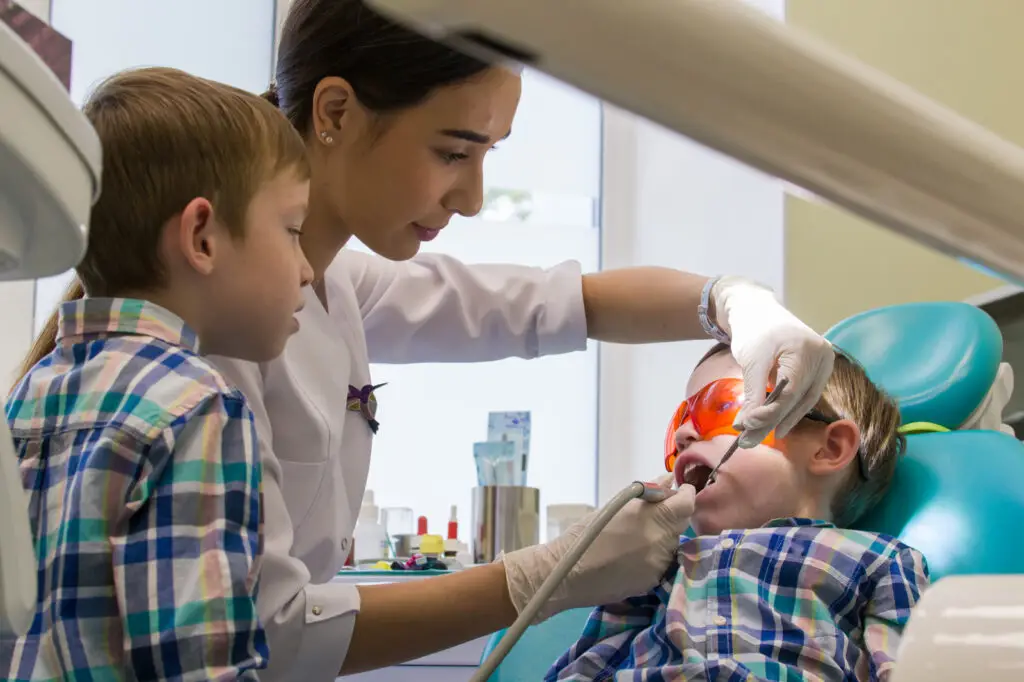
Before the procedure, the dentist reviews your child’s X-rays, medical history, and any medications to plan the best approach and decide whether anything else needs to happen first. Bring a current list of medications and any relevant health details to the consultation, and mention anything that has changed since the last visit. This review is also the right moment to ask about comfort options. Some practices use nitrous oxide, often called laughing gas, to help a child feel less nervous and antsy, and it wears off quickly after the procedure.
Explain the Procedure in Simple, Non-Scary Terms
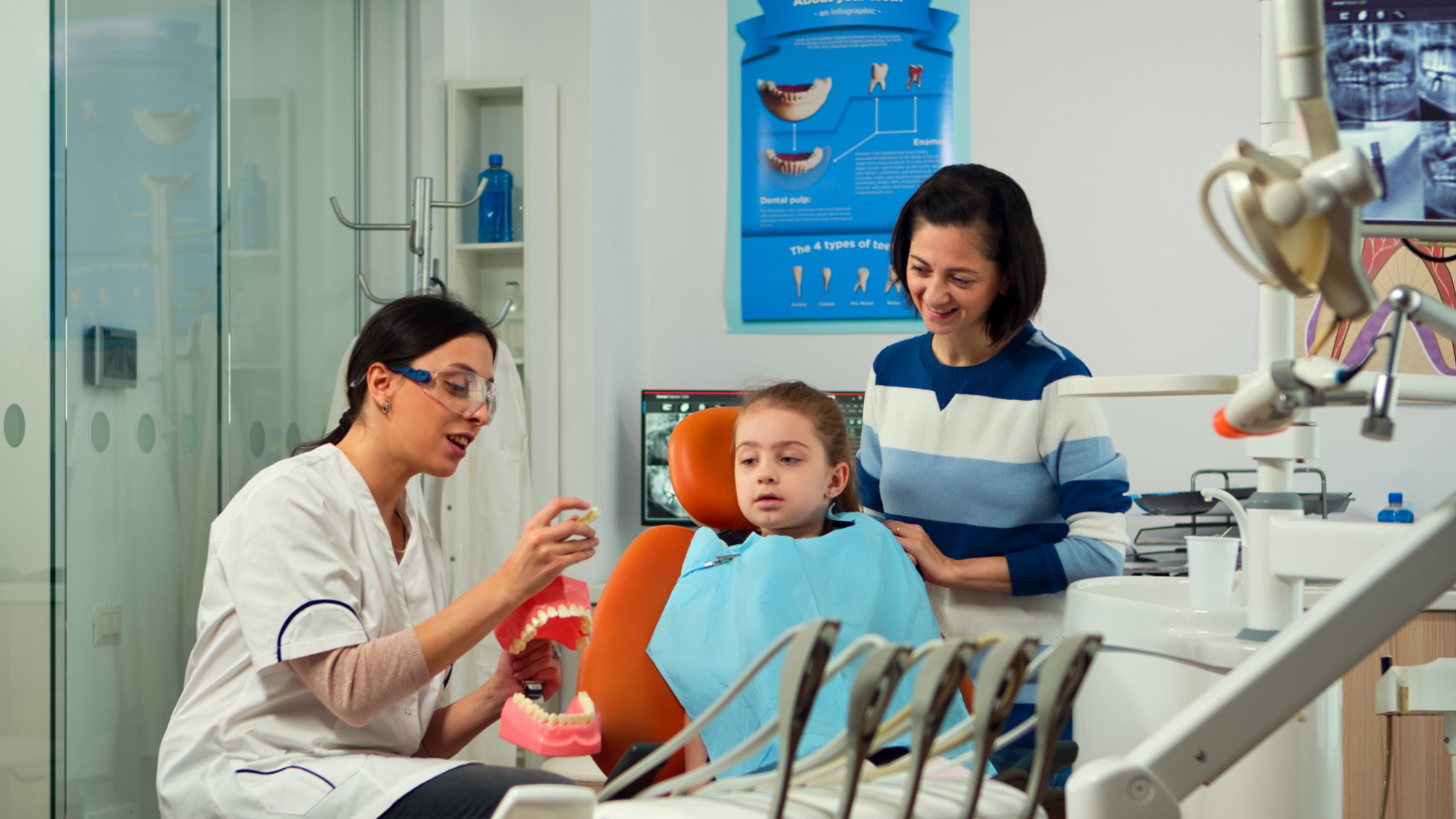
Start by explaining the process in simple, non-scary language. Use words your child already knows rather than clinical terms, and keep the description short. Reassure them that they will not feel pain during the procedure. That single message often does more to settle a child than any other detail you can offer.
You can also describe the shape of the visit: arriving at the office, meeting the dentist, sitting in a special chair, and going home afterward. Children cope better when they know what comes next, so a rough sequence is more useful than a technical explanation. If your child asks whether it will hurt, answer honestly and repeat that the dentist will make sure they are comfortable while it happens.
Answer Their Questions and Keep Your Reactions in Check
Invite questions and answer all of them, even the ones that seem odd or repetitive. Curiosity is how children process something unfamiliar, and a question answered at home is one less worry carried into the appointment. If you do not know the answer, say so and offer to ask the dentist together.
Watch your own reactions during these conversations. Children live off their parents’ moods, so a gasp, a grimace, or an anxious follow-up question can undo a calm explanation. Keep your tone even, avoid sharing stories about other people’s difficult dental experiences, and save any concerns you have for a private conversation with the dental office.
Plan for a Quiet Space at Home
Prepare a comfortable spot before the appointment rather than after it. Set up a quiet space with pillows, blankets, and some favorite books, movies, or quiet activities. Having it ready means your child can settle in as soon as you get home, without waiting while you gather things.
Think about the day itself as well. A lighter schedule after the visit removes pressure to bounce straight back into activities. If siblings are in the house, a little planning around noise and shared space can make the recovery period calmer for everyone.
What to Do During the First Few Hours After Extraction
Once the procedure is finished, the focus shifts to comfort and healing. The following steps reflect common aftercare guidance for children:
- Encourage your child to bite down gently on the gauze pad to control bleeding.
- Apply ice packs to reduce swelling.
- Ensure your child rests and takes it easy.
- Offer soft foods and cold treats like ice cream or popsicles.
Staying nearby during those first hours helps. Your child may be tired, hungry, or a little emotional once the numbness fades, and a familiar face makes a difference. If bleeding continues longer than expected, or if something about your child’s condition concerns you, contact the dental office rather than waiting it out.
Keep Recovery Gentle for the First Few Days
Encourage your child to rest and take it easy for the first few days following the extraction. That may mean skipping rough play, sports, or anything that risks a bump to the mouth. Soft foods remain the easier choice while the site heals, and cold treats continue to help with comfort as well as mood.
One useful trick is to build in something pleasant. Keeping their favorite soft food at home ready for them, or taking them out for a treat a few days after the extraction, can help them look forward to the recovery period instead of resenting it. A small reward also gives a child a concrete marker that the hard part is over and normal life is resuming.
Talking About the Experience Afterward
After your child has recovered, a short conversation about how it went can pay off if another extraction is ever needed. Ask what helped and what did not. Maybe the quiet space at home mattered most, or maybe knowing about the ice cream in advance was what got them through the car ride. That feedback becomes your playbook for next time, and it teaches your child that they handled something difficult.
Keep the focus on what they did well. Praise the bravery, the questions they asked, and the way they followed the dentist’s instructions. Children who feel competent after a dental procedure tend to carry less fear into future appointments, which matters for a lifetime of dental care.
Frequently Asked Questions
How should I explain a tooth extraction to my child?
Keep it simple and use words your child already understands. Describe the process in short, non-scary steps, and reassure them that they will not feel pain during the procedure. Invite questions and answer them honestly. If you are unsure how much detail to share, ask your pediatric dentist for guidance on what to say before and after the appointment.
Will my child feel anything during the extraction?
Dentists plan for comfort, and a common message parents can share is that their child will not feel pain during the procedure. Some practices use nitrous oxide, often called laughing gas, to help children feel less nervous and antsy. It wears off quickly afterward. Ask your child’s dentist what comfort options they recommend for your child.
What should I do in the first hours after the extraction?
Encourage your child to bite down gently on the gauze pad to control bleeding, and apply ice packs to reduce swelling. Keep them resting and taking it easy. Offer soft foods and cold treats such as ice cream or popsicles. If bleeding continues or you are worried about how your child looks and feels, contact the dental office for advice.
How long should my child rest after a tooth extraction?
Plan for a quiet first few days. Set up a comfortable space at home with pillows, blankets, and favorite books, movies, or quiet activities. Encourage your child to rest and take it easy rather than jumping straight back into busy play. If your child seems to need more recovery time, or you have questions about returning to normal routines, check with the dentist.
Can I give my child a treat after the extraction?
Yes, a treat can help. Keeping a favorite soft food at home, or taking your child out for a treat a few days after the extraction, gives them something to look forward to. Cold treats like ice cream or popsicles can also be soothing. Stick to soft options while the extraction site heals, and ask the dentist if you are unsure about a specific food.
Helping Your Child Feel Ready for Tooth Extraction
Preparing your child for a tooth extraction is about more than explaining the procedure. A calm approach, simple communication, and a comfortable recovery plan can help reduce fear and make the experience easier for both of you. If your child needs a tooth extraction, the pediatric dental team at Pure Smile Dentistry can guide you through what to expect and help keep your child comfortable throughout the process. Contact Pure Smile Dentistry today to schedule a pediatric dental appointment and discuss the best approach for your child’s tooth extraction.