Cosmetic dentistry is about more than bright white teeth. It is the part of dental care that focuses on how your smile looks while still protecting how it works. In North Wales, PA 19454, patients can choose from practices that offer a wide range of services, from porcelain veneers and professional whitening to clear aligners, crowns, and dental implants. That means you can often find the treatment you want without driving far, but it also means knowing the right questions to ask before you sit down in the chair.
This guide walks through the treatments local offices commonly provide, how cosmetic and general dentistry overlap in this area, what a consultation usually involves, and how to sort out cost and insurance questions before treatment begins.
What Counts as Cosmetic Dentistry
Cosmetic dentistry is a broad label rather than a single procedure. It covers treatments that improve the appearance of teeth and gums, and many of them also restore function or protect a tooth from further damage. A crown, for example, can rebuild a cracked tooth and improve the way it looks at the same time. A dental implant replaces a missing tooth, which is restorative work, but it also changes the look of your smile.
In the North Wales area, practices commonly list the following under cosmetic services:
- Porcelain veneers for chips, gaps, and discoloration
- Professional teeth whitening for stains and dullness
- Clear aligners such as Invisalign for crowding and spacing
- Dental crowns to rebuild and reshape damaged teeth
- Dental implants to replace missing teeth
Dr. Stephanie (Sung Eun) Lee, a dentist serving patients in North Wales, PA, provides general dental care focused on maintaining oral health and helping patients enhance their smiles. She completed her dental training at the University of Maryland School of Dentistry and went on to complete a General Practice Residency at Baltimore VA Medical Center, where she received comprehensive training across various areas of dentistry.
Why Patients in North Wales Seek Cosmetic Treatment
Most people who ask about cosmetic dentistry are not chasing a perfect set of teeth. They are looking at a specific problem that has bothered them for a while. Discoloration that whitening toothpaste has not touched. A chip on a front tooth that shows up in every photo. A gap that makes them self-conscious when they laugh. Teeth that have shifted slightly since their braces came off years ago.
There is also a practical side. Practices in North Wales, Lower Gwynedd, Spring House, and the surrounding communities serve a mix of families, commuters, and long-time residents, and many of them describe their approach as gentle and family friendly. That matters for cosmetic work, because most cosmetic treatment happens over more than one visit and comfort during the process is part of the experience.
Common Cosmetic Treatments Available Locally
Porcelain Veneers
Veneers are thin custom shells bonded to the front of teeth. They can address concerns such as discoloration, chips, minor shape differences, and uneven spacing. Treatment typically begins with a consultation to assess the teeth and discuss the desired result, followed by treatment planning, preparation, and final placement. The number of veneers needed depends on the teeth involved and the changes a patient wants to make.
Professional Teeth Whitening
Teeth Whitening is often one of the first cosmetic treatments people consider because it is relatively straightforward. In-office and take-home whitening options can help reduce certain types of tooth discoloration and brighten the smile. Stains from coffee, tea, and tobacco may respond differently from discoloration caused by medication or injury, so an examination can help determine what type of whitening may be appropriate. Whitening does not change the color of existing crowns, fillings, or bonding, which may need to be considered when planning cosmetic treatment.
Invisalign Clear Aligners
Invisalign clear aligners straighten teeth without fixed metal brackets. They can be an option for adults who have experienced minor tooth movement after previous orthodontic treatment or for patients looking for a less noticeable alternative to traditional braces. Clear aligner treatment involves a customized series of trays and regular monitoring appointments to track progress and make adjustments when needed.
Dental Crowns and Implants
Crowns and implants can combine functional and cosmetic benefits when teeth are damaged or missing. A crown covers and restores a damaged tooth while also allowing its shape and shade to blend with the surrounding teeth. A dental implant replaces a missing tooth root and can support a crown to restore the visible portion of the tooth. Depending on the patient’s needs, restorative treatment can help improve both oral function and the overall appearance of the smile.
How Cosmetic and General Dentistry Overlap
One of the questions patients ask most often is what separates a cosmetic dentist from a regular dentist. In this area, the honest answer is that the line is blurry. Practices in North Wales describe themselves as offering preventive, cosmetic, and restorative care together, and many note that they are accepting new patients and can help with dental emergencies. A dentist who places crowns and implants is doing restorative work that a patient may seek out for appearance reasons, while a dentist known for veneers still performs cleanings and exams.
What matters more than the label is whether the office offers the specific treatment you want, whether the dentist has experience with cases like yours, and whether you feel comfortable asking questions during the consultation. Local offices vary in the technology they use, from digital imaging to modern sterilization and treatment planning tools, so it is reasonable to ask what is available before you commit.
Choosing a Cosmetic Dentist in North Wales
Choosing a cosmetic dentist is often about finding a practice that matches your treatment needs, expectations, and comfort level. A few things are worth checking before you book:
- Confirm that the practice offers the specific cosmetic treatment you are considering.
- Ask whether the practice is accepting new patients and when a consultation is available.
- Check whether general or emergency dental care is also available if you need additional treatment.
- Ask how many appointments the treatment typically involves and what happens during each visit.
- Request a clear treatment plan that explains the recommended approach and any suitable alternatives.
- Ask about comfort options if you feel anxious about dental procedures.
- Review patient feedback to look for consistent patterns in communication, care, and overall experience rather than relying on a single review.
A consultation can also help you understand whether a cosmetic treatment is appropriate for your teeth and what type of result you can realistically expect. Taking time to discuss your goals and concerns before treatment can make the decision easier and help you feel more comfortable with the planned approach.
What Happens at a Cosmetic Consultation
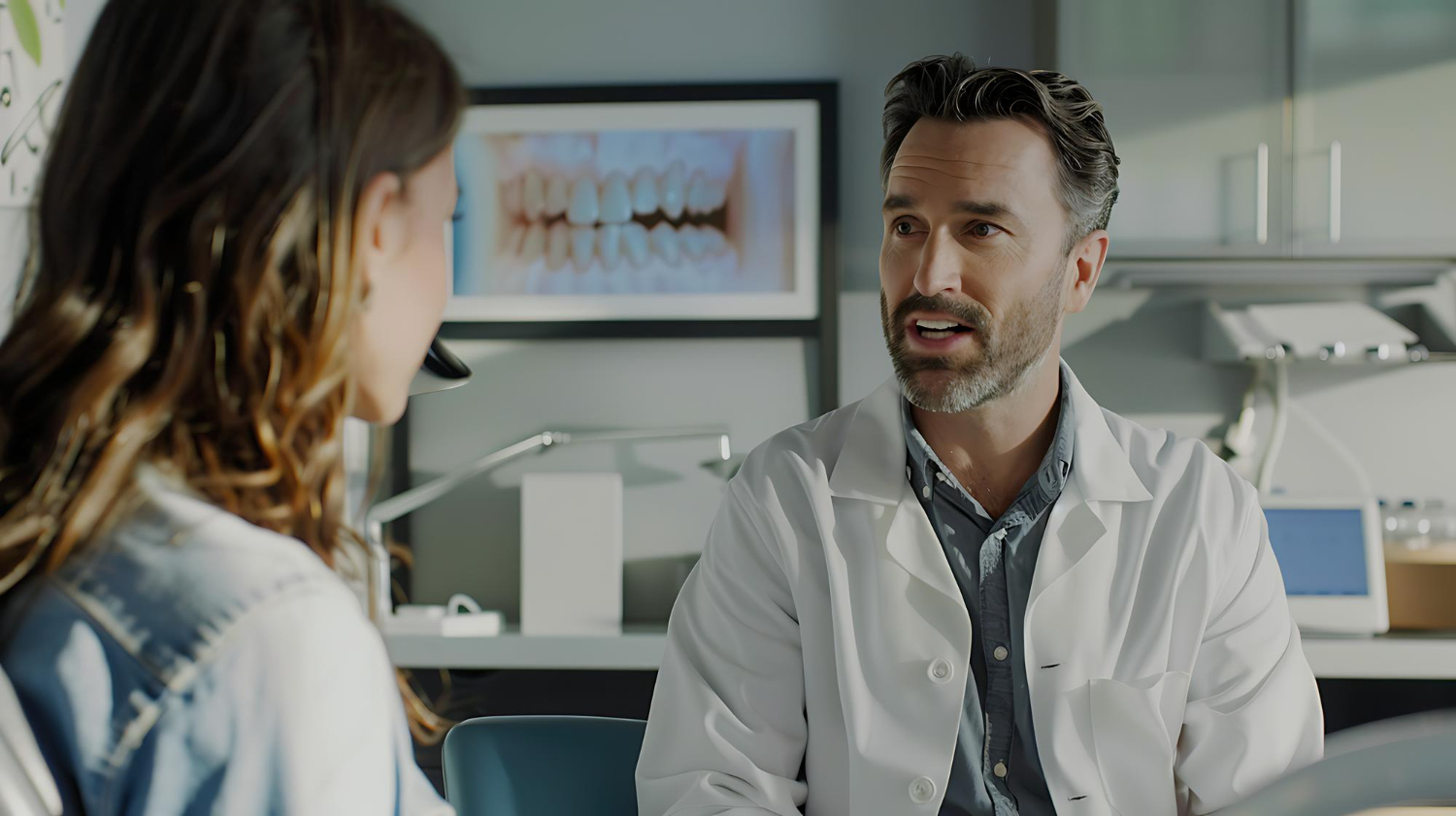
A consultation is where the plan takes shape. Expect an exam, a conversation about what you want to change, and some form of imaging or photography so you and the dentist are looking at the same thing. You will likely be asked about your dental history, any sensitivity or past treatment, and what you dislike about your current smile.
From there, the dentist should explain which options address your goals, what each one involves, how long it takes, and what the limitations are. If you are comparing veneers against whitening and aligners, ask what each can and cannot fix. Whitening changes color only. Aligners move teeth but do not change their shape or shade. Veneers can change shape, color, and apparent size at once, but they involve preparing the tooth surface. Getting those trade-offs spelled out early prevents disappointment later.
Cost, Insurance, and Straight Answers
Pricing for cosmetic dentistry varies widely by treatment, by how many teeth are involved, by the materials used, and by the practice. There is no single local rate that applies across North Wales, and any number quoted without an exam is a rough estimate at best. The practical approach is to ask for a written estimate before treatment starts and to confirm what happens if the plan changes midway.
Insurance is another area where specifics matter. Many plans cover treatment that is considered restorative or medically necessary and exclude treatment that is purely elective, but the details sit in your individual policy. Some North Wales practices advertise free consultations, which is a low-risk way to get an evaluation and a plan before you decide anything. If cost is a concern, ask directly about payment options and whether the office offers any financing arrangements. Verify coverage and pricing with the practice and your insurer rather than relying on general information.
Keeping Your Results Looking Their Best
Cosmetic work holds up better with consistent home care. Brush twice daily, floss or clean between teeth, and keep regular hygiene appointments so small problems are caught before they affect a restoration. If you have veneers, bonding, or crowns, your dentist may recommend a non-abrasive toothpaste and a softer brush. If you whitened your teeth, ask whether occasional touch-ups are appropriate and how to avoid re-staining from coffee, tea, or tobacco.
Clear aligners come with their own routine: wear time matters, cleaning the trays matters, and keeping scheduled check-ins matters. Whatever treatment you choose, ask what to watch for and when to call. A chipped edge or a loose crown is easier to fix early.
Frequently Asked Questions
What is cosmetic dentistry?
Cosmetic dentistry refers to treatments that improve the appearance of your teeth and gums. Common examples include porcelain veneers, professional teeth whitening, clear aligners such as Invisalign, dental crowns, and dental implants. Many of these procedures also restore function, protect damaged teeth, or replace missing ones, which is why cosmetic and restorative dentistry overlap so heavily in practice.
How do I choose a cosmetic dentist near North Wales, PA?
Start by confirming the office offers the specific treatment you want, then ask whether they are accepting new patients and how soon you can be seen. Look for a written treatment plan, clear answers about what each option can and cannot do, and a practice you can reach easily for follow-up visits. Reviews and directories can help you build a shortlist.
Is cosmetic dental treatment covered by insurance?
Coverage depends on your individual plan and on how the treatment is classified. Work that restores function or treats damage is more likely to be covered than treatment that is purely elective, but the details vary by insurer and policy. Ask the dental office to check your benefits and give you an estimate in writing, then confirm with your insurer.
Do I need a referral to see a cosmetic dentist in North Wales?
In most cases you can contact a dental office directly and request a consultation without a referral from another dentist. Some practices advertise free consultations, which makes it easy to get an evaluation before committing. If your treatment involves a specialist procedure, the office will tell you whether a referral is needed.
What should I ask at my first cosmetic consultation?
Ask which treatments address your specific concerns, how many visits each one requires, what the alternatives are, and what the total cost will be. Ask about comfort measures, what happens if something needs adjusting later, and whether the practice handles emergencies. Take notes, and do not feel pressured to decide on the same day.